

Rehab Centers That Offer Biofeedback Therapy
Trusted Content
Rehab Centers That Offer Biofeedback Therapy
 Topics on this page
Published: April 8, 2026
Set the block title
Biofeedback therapy uses real-time data based on body functions, such as heart rate, muscle tension or breathing patterns, to show you how your body responds to stress or triggers. It also teaches you self-regulation skills to calm or rebalance those reactions.
This guide explains how biofeedback works, including the most common types used in clinical settings, what it may help with and how to find a qualified provider, especially when addiction and mental health disorders overlap.
What Biofeedback Therapy Is
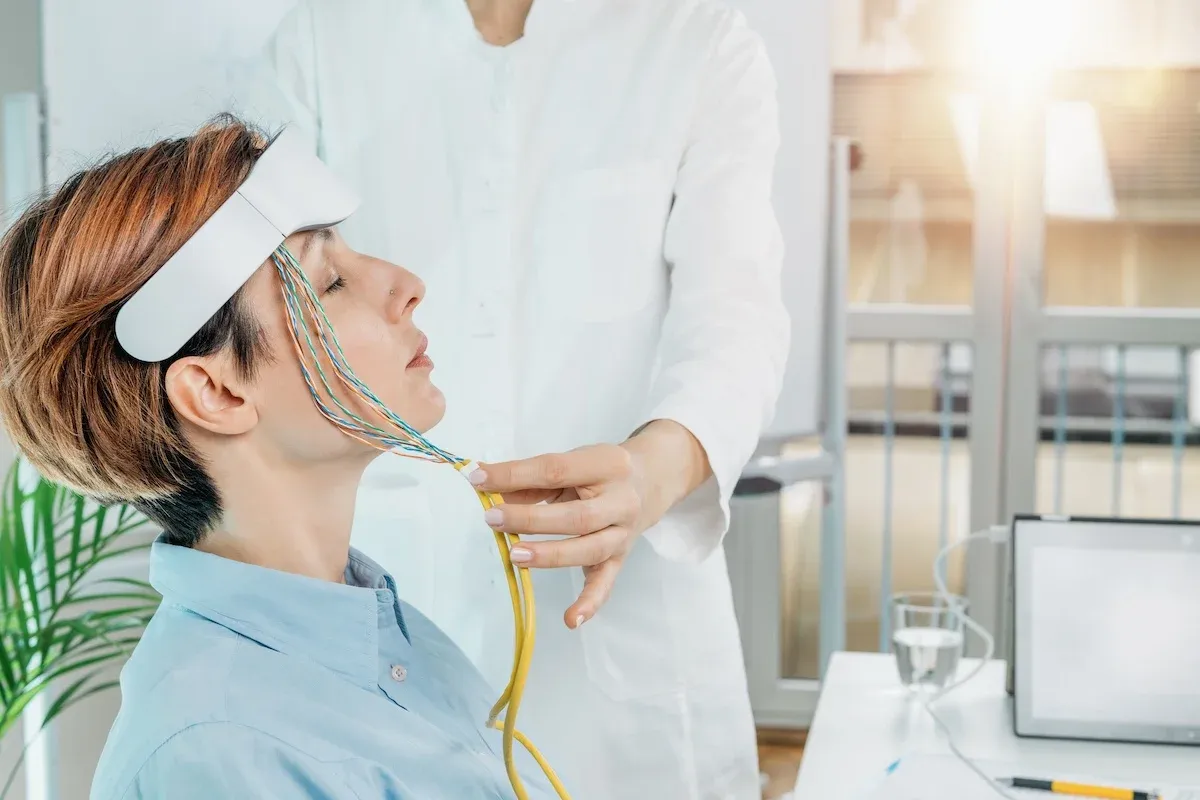
Biofeedback treatment is a practical, skills-based therapy that helps you understand and regulate how your body responds to stress. It’s also referred to as biofeedback training. Sensors are placed on your skin to measure body functions, such as your:
- Heart rate
- Blood pressure
- Breathing patterns
- Muscle tension
- Skin temperature
That information appears on a screen in real time, allowing you to see how your body reacts in different situations. You’ll practice breathing, relaxation or focus exercises while monitoring how your body responds, so you’ll know what works best for you. Biofeedback is typically offered as part of a broader recovery plan that includes therapy, medical care or recovery supports, and not as a standalone treatment.
How Biofeedback Works
Biofeedback works by turning invisible body signals into information you can see on a screen. It helps you recognize patterns, such as subtle spikes in tension or shallow breathing, that you can’t easily feel.
Through guided practice, you’ll learn relaxation techniques, such as paced breathing, muscle relaxation or focused attention, to calm your body’s stress responses. As you continue to practice these skills, you’ll learn how to incorporate them into your daily life, so you can continue to use them without the sensors.
Progress is typically tracked over time using simple metrics, so you’ll be able to see improvements you’ve made in terms of stability, recovery time or overall regulation.
Common Biofeedback Types and What They Measure
The following table helps you understand the different biofeedback types and what they measure, how they can help and what you might experience during a session.
| Biofeedback Types | What It Measures | What It Can Support | What a Session Might Include |
|---|---|---|---|
| HRV Biofeedback | Heart rate variability (the variations in time between heartbeats) |
|
|
| Respiratory Biofeedback | Breathing rate, rhythm and depth |
|
|
| EMG Biofeedback | Electromyography feedback involves attaching electrodes to the skin to measure muscle tension |
|
|
| Thermal Biofeedback | Peripheral skin temperature (typically in fingers, hands or feet) |
|
|
| Skin Conductance Biofeedback | Sweat gland activity linked to nervousness |
|
|
What Biofeedback Can Help With
Biofeedback can help with a range of body changes related to nervous system responses. Many people who experience stress and anxiety use biofeedback treatment to learn how to steady their breathing, improve their heart rate and blood pressure and regulate their emotions.
It can also help with panic and physiological hyperarousal through relaxation techniques that you can use to calm your body during spikes. Sleep problems might improve as you strengthen your regulation skills. If muscle tension contributes to migraine headaches, jaw clenching or chronic pain, targeted approaches, such as EMG-based training, may help reduce physical strain.
Trauma-informed biofeedback, when paired with appropriate therapy, can help you become more aware of the changes in your body as you build regulation strategies. However, outcomes can vary, depending on whether biofeedback treatment is a good fit for you, whether you practice self-regulation skills consistently and your overall treatment plan.
Biofeedback Therapy and Addiction Treatment
Biofeedback can play a supportive role in addiction treatment, especially when stress and nervous system dysregulation contribute to your cravings and relapse risk. Some people may turn to substance use to help them cope with heightened arousal, anxiety or emotional overwhelm.
Biofeedback for addiction can help you recognize early warning signs before your urges or cravings escalate by increasing your awareness of the changes occurring in your body. You’ll learn coping skills in recovery through guided practice that can help you calm your body and improve your stress tolerance and quality of life.
Watching heart rate variability, high blood pressure or muscle tension stabilize in real time can help you discover techniques that reduce the intensity and strengthen your relapse prevention skills. Over time, it may become easier to pause, regulate and choose a planned response instead of reacting impulsively.
A comprehensive recovery plan would use biofeedback alongside evidence-based addiction treatment strategies, relapse prevention planning and continuing support rather than replacing them. Some programs that offer dual diagnosis support incorporate biofeedback into daily routines to address substance use and underlying mental health issues at the same time.
Biofeedback vs Neurofeedback
The main difference between biofeedback versus neurofeedback is what’s being measured and trained. Biofeedback focuses on body functions, such as heart rate variability, hypertension levels, breathing patterns and muscle tension. For example, HRV training can help you improve nervous system regulation through practicing paced breathing and observing how your heart rhythm responds.
Neurofeedback therapy measures brainwave activity, often through an Electroencephalogram (EEG). You would use neurofeedback to train attention, arousal or regulation patterns by providing feedback about specific brainwave frequencies. Some addiction rehabs may offer both therapies as complementary tools within a comprehensive treatment plan.
What to Expect in Biofeedback Sessions
A typical biofeedback session involves a therapist conducting a brief intake before reviewing your goals. You’ll discuss your symptoms, stress patterns and what you hope to improve. Then, they’ll place small sensors on your chest, shoulders or a finger, depending on the focus of the session. These sensors collect baseline readings so you can see how your body responds at rest.
The biofeedback therapist will guide you through training exercises, such as breathing regulation or gentle muscle-release techniques. You’ll practice in short cycles, watching the feedback on a screen and making small adjustments as you learn what helps your system settle.
Most healthcare providers outline a between-session practice plan, which might include brief daily breathing exercises or awareness check-ins. This practice helps the skills transfer into real-life situations without the equipment.
How Long Biofeedback Takes and What Progress Can Look Like
Biofeedback duration varies from person to person, and progress is rarely linear.
At first, you might notice yourself recognizing and regulating stress signals more easily. Over time, biofeedback can help you recover from stress faster, develop steadier sleep patterns or reduce symptoms, such as high blood pressure. It can help you feel less reactive so you can regulate your emotions in situations that once felt overwhelming.
Progress usually occurs as a result of repeated practice rather than a single session. Biofeedback effectiveness can increase with practice and consistency. However, pacing can depend on several factors, including your stress load, how often you practice the skills you’ve learned and whether you have co-occurring mental health issues.
Biofeedback in Different Treatment Settings
Biofeedback is available in a range of addiction treatment settings, depending on your needs and goals. No matter the setting, the program should integrate biofeedback into a comprehensive care plan rather than using it as a stand-alone treatment.
You might encounter biofeedback therapy in:
- Outpatient therapy clinics or integrative mental health practices: Outpatient biofeedback may be used to complement talk therapy, medication management or trauma-focused care.
- Intensive outpatient (IOP) or partial hospitalization (PHP) programs: Biofeedback in IOP settings might offer mind-body skills training alongside cognitive behavioral therapy (CBT) to help teach regulation skills.
- Residential or inpatient treatment settings: Biofeedback in residential rehab may be offered as an adjunct service to support stress reduction, relapse prevention work or dual diagnosis care.
- Medical or pain-focused clinics: These settings use biofeedback to support symptom management for chronic pain, migraine headaches or stress-related physical conditions.
Evidence-Based Care that Should Still be Present
Biofeedback can strengthen evidence-based addiction treatment, but it shouldn’t replace it. Comprehensive care begins with thorough assessment and individualized treatment plans, so services are tailored to the person and not just the symptoms.
Skills-based therapy is essential for addressing triggers, cravings and high-stress situations. Structured relapse prevention planning can help you incorporate the skills you learn into your daily routines so you can develop healthier responses and improve your quality of life.
If you have mental health conditions, such as anxiety or depression, your care plan should include dual diagnosis support. This support may include specialized therapy, psychiatric evaluation or medication management.
Discharge preparation and continuing care coordination are also important. While biofeedback may help with regulation skills, long-term recovery requires integrated care that combines behavioral strategies, clinical oversight and ongoing support beyond the initial phase of treatment.
Who Might Benefit Most from Biofeedback Therapy
If you have stress-driven symptoms that show up in your body, such as tight muscles, a racing heart or shallow breathing, biofeedback might be worth exploring. It can be a good fit for people who understand coping strategies but have difficulty calming their nervous system by teaching them anxiety regulation skills.
People in recovery may appreciate biofeedback because it offers trackable coping tools they can practice and measure. It might also be beneficial for people who experience anxiety or trauma-related body responses and want to build coping skills to deal with them.
When Biofeedback Might Not be the First Step
While biofeedback can be helpful, there are situations where you might need stabilization first. If you’re at risk for severe withdrawal symptoms or medical complications, you may need medical detox before starting skills-based work.
Biofeedback might also need to take a backseat to crisis stabilization and safety planning. Some primary care providers recommend learning basic coping skills before beginning biofeedback therapy. Biofeedback is most helpful after you’ve established safety, stability and clinical support.
Questions to Ask Before You Start Biofeedback
While comparing providers and treatment centers can feel daunting, knowing which questions to ask a biofeedback provider can make the process easier. Asking the right questions can help you find a quality treatment center that meets your needs.
The following script can keep you on track when you’re calling facilities, so you remember what questions to ask to make an informed decision:
- “What type of biofeedback do you use, and what signals do you measure?”
- “Based on my symptoms and history, what goals would you recommend we focus on first?”
- “How do you structure practice between sessions so the skills work without sensors?”
- “If my symptoms spike or cravings increase, how would you adjust the plan?”
- “How do you coordinate care if I’m also in addiction treatment or taking medication?”
- “What does your biofeedback session structure typically look like, and how do you track progress over time?”
Biofeedback Therapy Red Flags
When comparing biofeedback service providers, it’s important to know which therapy warning signs to watch for and how to recognize legitimate providers to help you find a quality addiction treatment program. Biofeedback therapy red flags include:
- Guaranteed outcomes or cure language: If a rehab center makes questionable treatment claims like biofeedback cures addiction or mental health conditions, such as depression and anxiety, it’s probably not legit.
- Vague explanations of what’s measured: Providers should be able to clearly explain the signals they monitor and the skills being trained.
- No assessment or treatment plan: Legitimate healthcare providers conduct assessments to establish baselines, set goals and outline how skills will transfer beyond sessions.
- Unclear credentials or supervision: If a provider can’t explain their credentials or the supervision and safety procedures they follow, it’s a huge red flag.
- Positioning biofeedback as a universal replacement: Never enroll in a treatment center program that claims biofeedback can replace detox therapy or medication for everyone.
- Lack of transparency: Legitimate providers clearly explain costs, policies and follow-up support upfront.
Cost and Insurance Basics for Biofeedback Therapy
Biofeedback costs can vary significantly depending on the provider and insurance coverage. Understanding what affects the cost can help prevent expensive surprises. Therapy cost factors include:
- The treatment setting (private clinic, medical practice or program-based care, etc.)
- A provider’s credentials and licensure
- Session frequency
- The equipment used
- Geographic location
Whether insurance covers biofeedback often depends on medical necessity, diagnosis and plan details. Working with an in-network therapy provider typically lowers out-of-pocket expenses. You might receive partial reimbursement for out-of-network care, but deductibles and co-insurance can increase your share of the cost.
Some insurance plans require prior authorization or specific documentation before approving coverage. Before enrolling, ask for written estimates that outline how they bill, which services the quoted rate includes and what might be billed separately.
If affordable biofeedback feels out of reach, consider taking advantage of:
- Sliding fee scale options
- Community clinics
- Public or hospital-based programs
- Employee Assistance Program (EAP) pathways that may offer short-term support
Using Biofeedback Skills to Support Recovery and Mental Wellness
Biofeedback builds self-regulation skills you can rely on when you experience cravings or your stress levels rise. Over time, consistent practice helps these responses become automatic, which strengthens therapy gains and day-to-day recovery work. Many people find that biofeedback for recovery works best when it’s incorporated with structured coping work and ongoing support.
If you have a substance use disorder, your recovery program should pair biofeedback with evidence-based addiction treatment and relapse prevention support. Combining body-based regulation with therapy, medical care when appropriate and continuing care coordination helps to create a solid foundation for your recovery journey.
If withdrawal safety is part of your next step, Help.org can help you find an alcohol and drug detox center that fits your needs.
FAQs About Biofeedback Therapy
How do I find a qualified biofeedback provider?
Look for licensed clinicians through professional directories, such as the Association for Applied Psychophysiology and Biofeedback, referrals from your primary care provider or other medical professionals and accredited treatment programs. Be sure to ask how they measure progress, structure sessions and coordinate care with other providers if needed.
Are there any risks or side effects with biofeedback?
Because it’s noninvasive and skill-based, biofeedback is generally considered low risk. While some people may feel mild frustration, fatigue or temporary emotional discomfort while learning regulation skills, working with a qualified biofeedback therapist can help minimize these concerns.
What happens during a typical biofeedback session?
During a typical session, a biofeedback therapist conducts a brief check-in before placing sensors on your skin to collect baseline readings. You’ll practice guided exercises, such as paced breathing or muscle relaxation, and develop a plan for practicing the skills between visits.
How long does biofeedback therapy usually take?
How long biofeedback takes depends on your goals, symptoms and how consistently you practice the skills you’ve learned. Progress tends to build gradually with repeated sessions and between-session practice.
Can biofeedback support addiction recovery and cravings management?
Biofeedback can support addiction recovery by helping you recognize and regulate stress responses that might intensify your cravings. However, you should use biofeedback alongside comprehensive addiction treatment and not as a stand-alone solution.
Sources
 Harvard Health – Biofeedback therapy: How it works and how it can help relieve painUniversity of Wisconsin – BiofeedbackPortland State University – Biofeedback Gaming for Substance Use DisorderNational Institute of Health – EEG Biofeedback as a Treatment for Substance Use Disorders: Review, Rating of Efficacy, and Recommendations for Further ResearchNational Library of Medicine – Neurofeedback Training for Opiate Addiction: Improvement of Mental Health and CravingNational Library of Medicine – Biofeedback in medicine: who, when, why and how?