


Vicodin (Hydrocodone) Addiction: Signs and Side Effects of Vicodin Abuse
Trusted Content
Vicodin (Hydrocodone) Addiction: Signs and Side Effects of Vicodin Abuse
 Topics on this page
Published: April 22, 2026
Set the block title
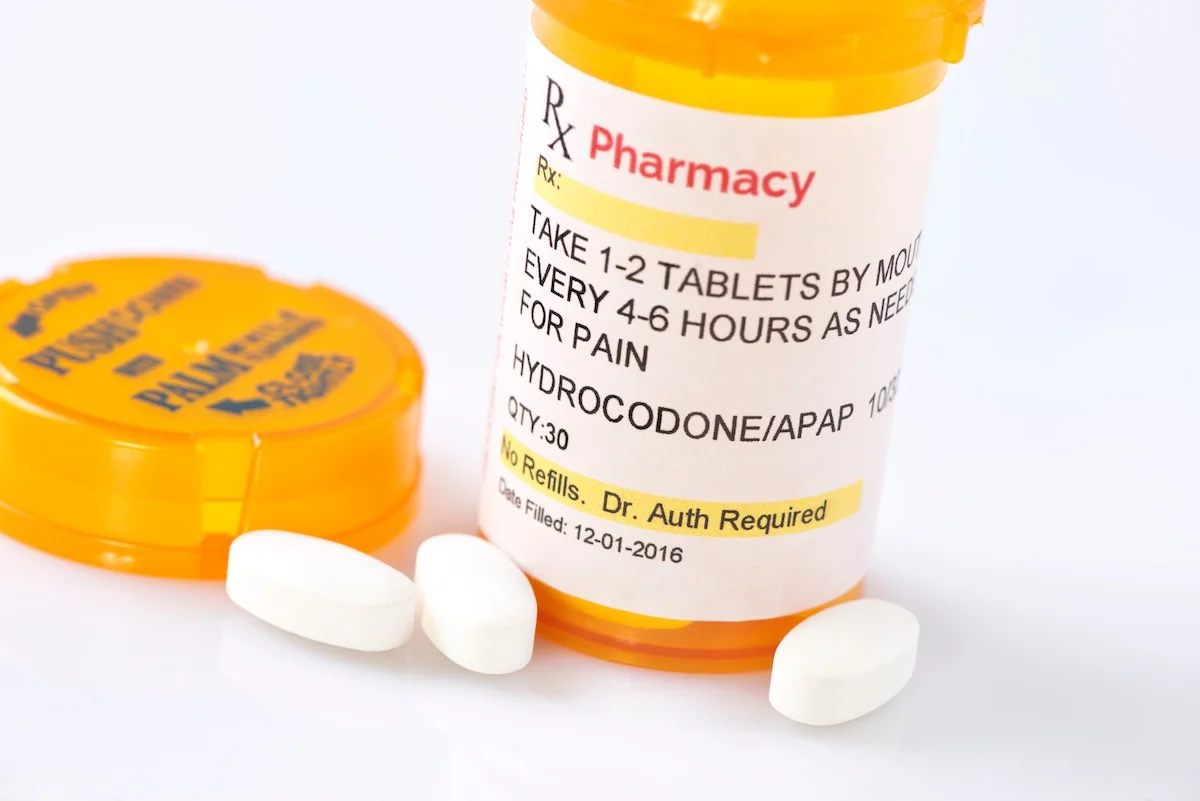
Vicodin is a prescription pain medicine that contains hydrocodone, an opioid, and acetaminophen. While several medications contain Hydrocodone, this page focuses solely on Vicodin. Street names for this medication include vikes, vics and hydros.
Because it contains acetaminophen, Vicodin misuse comes with an additional risk. At high doses, acetaminophen can damage the liver. Taking more Vicodin than recommended can overwhelm your liver with acetaminophen, increasing the risk of serious complications.
This guide explores Vicodin addiction, including why it’s addictive, warning signs and side effects. It focuses solely on the signs and health effects of Vicodin addiction, so it doesn’t discuss treatment options or rehab programs.
Why Does Vicodin Lead to Addiction?
Vicodin is an opioid, so it binds to opioid receptors in the nervous system. When it takes effect, Vicodin makes you feel calm. It may also relieve emotional overwhelm or even cause euphoria.
Relief can reinforce repeated use, especially if you start using Vicodin to manage stress, fall asleep or ease emotional discomfort. Over time, your body doesn’t respond the same way, so you need to take more Vicodin to achieve the same effects. This is known as having Vicodin tolerance.
If you try to stop taking Vicodin, you may experience unpleasant withdrawal symptoms. As a result, some people continue using Vicodin to avoid physical or psychological discomfort. Mixing Vicodin with other substances can increase impairment, cause you to make risky decisions and heighten the risk of Vicodin overdose.
Vicodin Abuse vs. Vicodin Addiction
Before you try to distinguish Vicodin abuse vs. addiction, it’s helpful to understand what each term means. Vicodin abuse is any use of hydrocodone that falls outside medical guidelines. In contrast, addiction is the compulsive use of Vicodin. Addiction causes intense cravings, impaired control and an inability to stop taking Vicodin even when it harms you.
Substance abuse, drug abuse and drug addiction are common terms, but they’re not entirely accurate. After decades of research, clinicians know that addiction is a chronic disease, not a lack of willpower or a personal choice.
As a result, the medical community is now using different terms to describe harmful patterns of substance use. Substance misuse has replaced substance abuse, and substance use disorder is now the official term for addiction. These phrases align with the diagnostic criteria outlined in the Diagnostic and Statistical Manual of Mental Disorders, Fifth Edition (DSM-5), so they’re more accurate and less stigmatizing.
Vicodin Misuse
For many people, Vicodin misuse starts with a desire for extra pain relief. Eventually, the need for pain control shifts to taking Vicodin for mood, relaxation or avoidance of uncomfortable withdrawal symptoms.
Common hydrocodone misuse signs include:
- Running out of Vicodin early
- Buying pills
- Continuing to use it despite negative consequences on your job, health or relationships
Does Vicodin Cause Dependence?
Regular Vicodin use can also lead to dependence. Physical dependence is when your body adapts to the effects of the medication. This causes you to experience withdrawal symptoms if you try to stop taking it or limit your usage.
Psychological dependence is when you feel unable to cope, relax or sleep without Vicodin.
The risk of dependence increases with:
- Higher doses
- Long-term use
- Taking it for emotional relief
Dependence doesn’t necessarily mean you’re addicted to Vicodin. However, it can be a warning sign, especially if you start escalating doses or engaging in risky use patterns.
What Are Signs of Vicodin Addiction?
Due to its classification as a central nervous system (CNS) depressant, Vicodin can cause a variety of physical, mental and behavioral changes.
Common physical signs of Vicodin addiction include:
- Heavy drowsiness
- Pinpoint pupils
- Slowed breathing
- Itching
- Nausea
- Constipation
Vicodin slows down your nervous system, so it can change the way you think. It’s common to experience confusion, memory issues or impaired judgment. Hydrocodone addiction may also cause you to have mood swings, strong cravings or anxiety between doses.
Once you become dependent on Vicodin, you may start taking more than intended or spend a significant amount of time getting it, using it or recovering from its effects. Some people make several failed attempts to cut back.
You may also:
- Take higher doses
- Ask for early refills
- Take Vicodin outside of medical advice
- Get it from multiple sources
Some people even engage in unsafe behavior when misusing Vicodin. Red flags include driving while impaired by Vicodin, using it alone or mixing the medication with alcohol, benzodiazepines or other sedatives.
What Are Vicodin Withdrawal Symptoms?
Opioid withdrawal can make you feel like you have a severe case of the flu. You may experience fever, chills or heavy sweating.
Other early withdrawal symptoms include:
- Yawning
- Watery eyes
- Runny nose
- Muscle aches
- Insomnia
As Vicodin withdrawal progresses, it can cause chills, goosebumps and digestive distress, such as nausea, vomiting and/or diarrhea. The severity of withdrawal symptoms depends on your use patterns and the presence of other substances in your system.
What Are the Side Effects of Vicodin Abuse?
Vicodin abuse causes both short-term and long-term effects. One of the most common side effects is sedation. This occurs because it suppresses activity in the central nervous system. Hydrocodone also disrupts the system that regulates the sleep/wake cycle.
Other short-term Vicodin side effects include:
- Dizziness
- Impaired judgment
- Slowed reaction time
Misusing Vicodin increases the risk of overdose, which can be life-threatening. Your brain is responsible for everything from your heart rate to your breathing rate. Vicodin overdose can lead to respiratory depression, which is when your breathing becomes too slow or shallow.
Respiratory depression prevents your body from maintaining normal levels of oxygen and carbon dioxide.
As carbon dioxide builds up in your system, you may experience:
- Fatigue
- Shortness of breath
- Confusion
- Bluish skin or lips
Without treatment, respiratory depression can lead to irreversible brain damage or death. The risk of overdose increases if you mix it with alcohol, benzodiazepines or other sedatives.
Your digestive system contains opioid receptors, so Vicodin misuse can affect it in several ways. You may experience nausea, vomiting or constipation. All three side effects can become severe with heavy use.
Exceeding the maximum recommended daily amount of acetaminophen can also damage your liver. This is more likely if you mix Vicodin with alcohol or take multiple acetaminophen-containing products.
Long-term risks associated with Vicodin misuse include:
- Tolerance
- Dependence
- Sleep disruption
- Overdose
What Are Risk Factors for Vicodin Addiction?
Several factors make it more likely that you’ll become addicted to Vicodin. Some of those risk factors relate to medication access. If you have a long-term prescription, for example, you may become dependent on Vicodin to function.
Higher doses have a bigger impact on your brain chemistry than smaller doses. This increases the risk of addiction. Limited monitoring can also contribute to Vicodin use disorder, as it gives you more opportunities to use hydrocodone outside medical guidelines.
Pain factors are also a concern, as chronic pain may drive Vicodin misuse, increasing the risk of dependence. Chronic pain, repeated injuries and fear of pain returning can all contribute to the development of opioid use disorder.
Mental Health and Substance Use Factors
The risk of Vicodin addiction increases if you have depression, anxiety or another co-occurring disorder. Some people with mental health conditions use Vicodin and other substances to manage their symptoms. For example, someone with generalized anxiety disorder might misuse Vicodin to feel less anxious.
Stress is also a risk factor, as people with limited coping skills may not be able to manage stress without turning to Vicodin. The risk increases if you have a history of opioid, alcohol or polysubstance use (using multiple substances at the same time or within a short period).
Access Factors
The risk of Vicodin addiction also increases if you:
- Have leftover pills at home
- Share prescriptions
- Buy pills that may be counterfeit
Counterfeit pills look like legitimate Vicodin, but they may contain fentanyl or other contaminants. This makes it difficult to know exactly what you’re taking.
How Is Vicodin Addiction Diagnosed?
Diagnosing Vicodin addiction involves comparing your use patterns to established criteria. Clinicians look at your use patterns over time, not single episodes, when determining if misuse has turned into addiction.
The evaluation covers the following factors:
- Impaired control
- Carvings
- Tolerance
- Withdrawal symptoms
- Risky use
- Continued Vicodin use despite harm
It’s also important to undergo a mental health screening and a medication review. The mental health screening helps determine if you have any co-occurring mental health issues that need to be addressed. Treating these issues may reduce the desire to self-medicate with Vicodin.
A medication review makes it possible to identify potentially harmful drug interactions. For example, if you’re taking Vicodin with Valium, your healthcare provider needs to know.
Drug testing confirms opioid exposure, but it’s not typically used to diagnose substance use disorder. A test only shows what’s in your system at a particular point in time, so it doesn’t provide any information about your long-term use patterns.
FAQs About Vicodin Addiction
What are the most common signs of Vicodin addiction?
Common signs of Vicodin addiction include hiding use from loved ones, spending a significant amount of time obtaining/using it and missing work or school due to the negative effects of misuse. Some people also have financial issues because they take out loans or borrow money from loved ones to continue buying Vicodin.
Is Vicodin the same as hydrocodone?
Vicodin contains hydrocodone, but it doesn’t have the same composition. Hydrocodone is an opioid used to treat severe pain when non-opioid medications have failed. Vicodin combines hydrocodone with acetaminophen, which relieves pain while reducing the amount of opioid needed for effective relief.
How long does Vicodin withdrawal usually last?
Vicodin is a short-acting opioid, so the withdrawal process usually takes 4 to 10 days, according to experts from the World Health Organization. However, it may take longer if you have heart or kidney issues. Certain drug interactions also slow Vicodin metabolism, so you may need more time to detox from this medication.
Can Vicodin cause liver damage, and how does that happen?
Yes, Vicodin can cause liver damage. When you take acetaminophen, your liver breaks it down into a byproduct called NAPQI (N-acetyl-p-benzoquinone imin). If you take more acetaminophen than recommended, NAPQI can build up, damaging your liver cells.
Does Vicodin show up on drug tests, and for how long?
It may not show up on a standard drug screen, but a healthcare provider can ask the laboratory to test for norhydrocodone, a byproduct of hydrocodone’s breakdown. Vicodin may remain in the urine for up to 2 days after your last dose, according to the Substance Abuse and Mental Health Services Administration (SAMHSA).
Find Help for Yourself or a Loved One with Vicodin Addiction
Prescription opioid misuse can build gradually, especially if you started using Vicodin for legitimate pain relief. It’s not a personal failure, but it may indicate that you need professional support.
Structured care can help if you’ve been escalating doses, mixing Vicodin with other substances or experiencing withdrawal symptoms. Signs of liver damage and repeated failed attempts are also concerning.
Help.org is a confidential treatment finder designed to help you get the care you need. Use this free resource to find Vicodin abuse support that matches your clinical needs, location and personal preferences.
Sources
 National Library of Medicine – HydrocodoneNational Institute on Drug Abuse – Understanding drug abuse and drug addictionUnited States Drug Enforcement Administration (DEA) – HydrocodoneNational Institute on Drug Abuse – Prescription opioidsToxicological Sciences – Acetaminophen-NAPQI hepatotoxicity: A cell line model system genome-wide association studyU.S. Food & Drug Administration (FDA) – Counterfeit medicine