


Fentanyl Addiction: Signs and Side Effects of Fentanyl Abuse
Trusted Content
Fentanyl Addiction: Signs and Side Effects of Fentanyl Abuse
 Topics on this page
Published: April 15, 2026
Set the block title
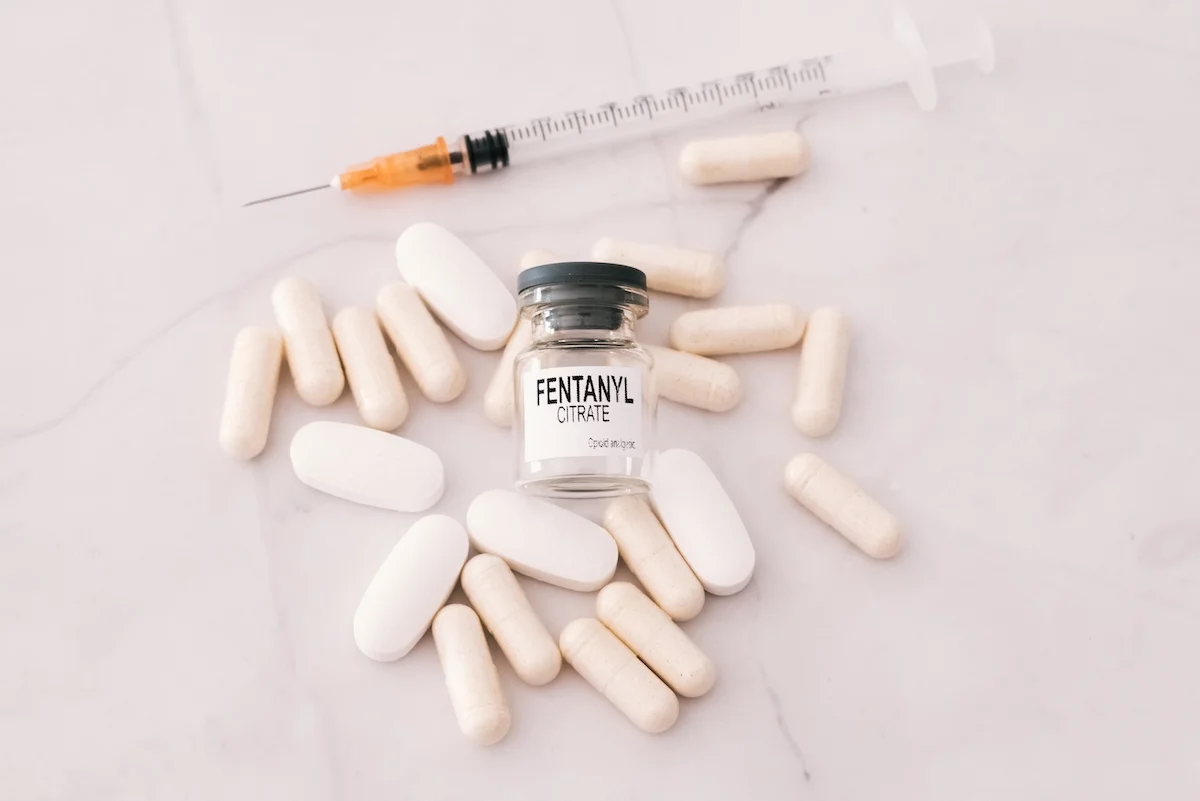
Fentanyl is a synthetic opioid drug used to treat severe pain (e.g., cancer pain). Although it’s available through legitimate medical sources, it’s also made and sold illegally. Fentanyl is incredibly potent, so there’s an increased risk of overdose, even with small, hard-to-measure amounts.
Common fentanyl street names include:
- Fent
- Fenny
- Fenty
- China white
- Apache
Slang varies by region, so you may hear different names for fentanyl. For example, some people call it Dance Fever. Illicit fentanyl is often found in counterfeit pills or mixed in with heroin, cocaine and methamphetamine, so people may take it without even realizing it.
This page covers fentanyl addiction, including why fentanyl can be addictive and what distinguishes opioid abuse from opioid addiction. Because it focuses on fentanyl side effects and signs of addiction, it doesn’t cover treatment options.
Why Does Fentanyl Lead to Addiction?
Fentanyl is addictive because it binds strongly to the mu-opioid receptors in your nervous system. These receptors are responsible for regulating pain and emotions. When you take fentanyl, it blocks pain signals and produces a sense of euphoria.
Some forms of fentanyl take effect more quickly than others. For example, intravenous (IV) fentanyl relieves pain almost immediately. Fast onset, combined with how quickly the medication wears off, can drive frequent redosing, causing you to develop fentanyl tolerance rapidly.
Tolerance is when you need more fentanyl to get the same effects over time. It’s not the same as fentanyl addiction, but it’s a warning sign that you might be losing control over your substance misuse.
Withdrawal discomfort can also push ongoing use of fentanyl. This happens when you use the drug to avoid uncomfortable withdrawal symptoms. Withdrawal is the result of overstimulation of the nervous system, which produces a state of physical and psychological stress as your brain tries to rebalance itself.
Unpredictable potency, especially in illicit products, is a major risk. You may take more fentanyl than expected, resulting in loss of control and an increased risk of overdose.
Fentanyl Abuse vs. Fentanyl Addiction
While terms such as “substance abuse,” “drug addiction” and “drug abuse” are still commonly used by laypeople, clinicians now use person-first language, such as “substance misuse” and “substance use disorder.”
Fentanyl misuse refers to the use of fentanyl outside of medical guidance. For example, you might take a higher dose than recommended, use it more often than prescribed or use someone else’s prescription. Using illicit fentanyl is also a form of substance misuse.
Addiction, or substance use disorder, is characterized by compulsive use of fentanyl. This compulsive use is combined with strong cravings, impaired control and continued use even if your use patterns cause physical or mental harm.
For some people, fentanyl misuse begins as a desire for pain control or stress relief. Others simply want to experience the euphoric effects. Either way, you may start using fentanyl to fall asleep, manage stress or avoid withdrawal symptoms.
Common fentanyl misuse signs include:
- Running out of medication early
- Hiding your use from others
- Getting fentanyl from multiple sources
- Continuing to use despite overdose scares
Does Fentanyl Cause Dependence?
Due to its effects on the nervous system, fentanyl can cause physical dependence. This is when your body adapts to regular use, which causes you to experience uncomfortable withdrawal symptoms if you stop using or try to reduce your consumption.
Fentanyl dependence is very different from fentanyl addiction. Researchers from Harvard Medical School and the University of South Florida explain that physical dependence is a biological consequence of using opioids for weeks or even years. In contrast, addiction begins in the brain, which is why their research showed that under 8% of patients on chronic opioid therapy for pain will develop an addiction at some point.
You may also develop a psychological dependence on fentanyl. This is when you rely on a drug for mental or emotional relief. Psychological dependence typically causes an individual to feel like they’re unable to cope, sleep or steady their emotions unless they take fentanyl or another opioid.
Dependence can develop quickly if you use high-potency opioids. Frequent use also increases the risk.
What Are Signs of Fentanyl Addiction?
Fentanyl addiction can affect any aspect of your life, from your physical health to your behavior. Common physical signs of fentanyl addiction include:
- Drowsiness
- Slowed breathing
- Itching
- Nausea
- Constipation
- Pinpoint (constricted) pupils
Many behavioral signs of addiction relate to your use patterns. You might take more fentanyl than intended or spend significant amounts of time trying to access opioids. Repeated relapses and continued use despite negative consequences are also potential signs of addiction.
Mood and Cognitive Changes
Fentanyl and other opioids disrupt the normal communication that occurs between your brain and other parts of your body. As a result, fentanyl addiction can cause confusion. It may even increase the risk for delirium in older adults, according to research published in Scientific Reports.
Opioid use disorder can also affect your mood. For example, if you try to cut down on fentanyl use, you may experience mood swings or irritability. It’s also common to have anxiety between doses or intense cravings.
Social and Functional Changes
For some people, fentanyl use leads to relationship conflict. This can occur due to mood changes or secretive behavior. For example, if you isolate yourself from others, your partner might feel upset that you’re not spending enough time with them.
It’s also possible to experience a decline in work or school performance. At work, you may have trouble meeting deadlines, showing up on time or maintaining collegial relationships with other employees. If you’re in school, fentanyl use can contribute to lower grades or absenteeism.
Fentanyl use may even cause legal or financial issues. Some people borrow money or write checks they can’t cover to ensure they have enough money to buy fentanyl, while others drive while under the influence of opioids.
Safety Issues
As your opioid use disorder progresses, you may even engage in unsafe use patterns, increasing the risk of overdose. Common red flags include using fentanyl alone, returning to your previous dose after taking a break or mixing fentanyl with alcohol or benzodiazepines.
What Are Fentanyl Withdrawal Symptoms?
Fentanyl withdrawal may make you feel like you have a severe flu. Restlessness and intense cravings are also common symptoms.
During the withdrawal process, you may experience the following:
- Anxiety
- Sweating
- Runny nose
- Yawning
- Muscle aches
- Insomnia
- Watery eyes
These physical symptoms typically occur early on. Later, you may experience chills, goosebumps and these digestive issues:
- Nausea
- Vomiting
- Diarrhea
- Abdominal cramps
The severity of fentanyl withdrawal symptoms depends on dose, frequency and duration of use. Your symptoms may be more severe in the context of polysubstance use, which is when you use two or more substances at the same time or within a short time.
What Are the Side Effects of Fentanyl Abuse?
Fentanyl has both short-term and long-term effects. Short-term effects include:
- Dizziness
- Sedation
- Impaired judgment
- Slower breathing
Long-term risks include tolerance, dependence and increased opioid overdose risk. You may also experience hormonal changes or worsening constipation. Opioids also work on mu-opioid receptors in the gut, which increases the amount of water absorbed from stool and slows down the movement of the intestines.
Fentanyl overdose can cause life-threatening complications. One of the most common is respiratory depression, which occurs because opioids affect the part of the brain responsible for controlling your breathing rate.
Overdose may even cause loss of consciousness or death. This is more likely if you’ve been mixing fentanyl with alcohol, benzodiazepines or other sedatives.
Like other forms of drug use, fentanyl misuse can affect your mental health and cognitive function. You may experience mood changes, impaired decision-making abilities and/or sleep disruption.
Certain routes of administration further increase the risk of fentanyl side effects. If you snort crushed pills, you may experience nosebleeds or nasal damage. Injecting fentanyl increases the risk of infection, especially if you share needles with other people.
What Are Risk Factors for Fentanyl Addiction?
Certain traits, characteristics or exposures increase your risk of developing a substance use disorder. These are known as risk factors.
Some risk factors relate to medication access. For example, high doses, long-term opioid prescriptions and limited monitoring can all contribute to fentanyl misuse. You may also develop a substance use disorder if you have access to counterfeit pills or use substances that may be contaminated with fentanyl.
Mental health problems can also influence your risk of developing a fentanyl addiction. Anxiety, depression and chronic stress are all associated with opioid misuse, as some people start using fentanyl to cope with these symptoms. You may also have an increased risk of addiction if you have a history of trauma.
Co-occurring disorders are common, so any history of substance abuse can increase your risk of opioid use disorder. For example, if you’ve misused alcohol, benzodiazepines or other opioids in the past, you may misuse fentanyl in the same way.
Finally, your social life and home environment may play a role in fentanyl addiction. Isolation, grief and unstable housing can all cause you to misuse opioids. Untreated sleep problems are also a risk factor, as you may start using fentanyl to help you fall asleep or sleep for longer periods.
How Is Fentanyl Addiction Diagnosed?
When diagnosing fentanyl addiction, clinicians use the criteria listed in the Diagnostic and Statistical Manual of Mental Disorders, Fifth Edition (DSM-5). They compare your use patterns to the published criteria to determine if you have a substance use disorder.
Clinicians evaluate your patterns of use over time, so it’s possible to misuse fentanyl without being addicted to it. These patterns include cravings, tolerance and loss of control over your opioid use. You may also qualify for a diagnosis if you’ve been using risky routes or continue to use fentanyl even though it’s hurting you.
A clinical assessment may also include a mental health evaluation and review of your overdose risk factors. Drug testing can confirm that you’ve taken fentanyl, but it doesn’t provide any information about how often you’re using it, how much you’re taking at a time or whether your body is dependent on it. Therefore, drug testing isn’t part of the diagnostic process for fentanyl addiction.
FAQs About Fentanyl Addiction
Can you get addicted to fentanyl if you take it as prescribed?
Yes, it’s possible to get addicted to fentanyl even if you take it as prescribed. According to the National Institute on Drug Abuse, fentanyl causes changes in brain activity. These changes can cause you to develop a dependence on fentanyl, use it compulsively or continue to use it even when it harms you.
Why is fentanyl so much more dangerous than other opioids?
Fentanyl is more dangerous than other opioids because it’s extremely potent. The National Institute on Drug Abuse estimates that fentanyl is 50 to 100 times more powerful than morphine. As a result, even a small amount of fentanyl can cause a fatal overdose.
Why is mixing fentanyl with alcohol or benzodiazepines so dangerous?
Mixing fentanyl with alcohol or benzodiazepines is dangerous because these central nervous system (CNS) depressants can slow down brain activity so much that you experience life-threatening respiratory depression.
How can someone take fentanyl without knowing it?
Someone can take fentanyl without knowing it if they buy pills or share pills with friends. Fentanyl is cheap to produce, so illegal manufacturers often mix it with cocaine, heroin, or methamphetamine. You may be exposed to fentanyl if you use contaminated drugs or take counterfeit pills.
How long does fentanyl withdrawal usually last?
Fentanyl is a short-acting opioid, so withdrawal usually lasts for up to 7 days, according to researchers from Baylor College of Medicine and Rutgers New Jersey Medical School. However, research from New York State Psychiatric Institute indicates that it’s possible to test positive for fentanyl more than 7 days after the last dose.
Find Help for Yourself or a Loved One with Fentanyl Addiction
Opioid addiction isn’t a personal failure. It’s a brain disease that can develop in anyone, especially those with severe pain, co-occurring mental health disorders or a history of trauma.
You may need professional support if you’ve been taking higher doses, experiencing withdrawal symptoms or mixing fentanyl with alcohol or benzodiazepines. Overdose scares and exposure to counterfeit pills are also signs that you might benefit from getting help for fentanyl addiction.
Help.org is a free, confidential treatment finder. Use it to find fentanyl abuse support that fits your location, needs and preferences.
Sources
 Centers for Disease Control and Prevention (CDC) – FentanylNational Library of Medicine – Opioid withdrawalAnnals of Medicine – Drug dependence is not addiction — and it matters
National Library of Medicine – Opioid-induced constipationNational Institute on Drug Abuse – FentanylUnited States Drug Enforcement Administration – Facts about fentanylAmerican Journal of Addiction – Review article: Effective management of opioid withdrawal symptoms: A gateway to opioid dependence treatmentAddiction – Fentanyl withdrawal: Understanding symptom severity and exploring the role of body mass index on withdrawal symptoms and clearance
Centers for Disease Control and Prevention (CDC) – FentanylNational Library of Medicine – Opioid withdrawalAnnals of Medicine – Drug dependence is not addiction — and it matters
National Library of Medicine – Opioid-induced constipationNational Institute on Drug Abuse – FentanylUnited States Drug Enforcement Administration – Facts about fentanylAmerican Journal of Addiction – Review article: Effective management of opioid withdrawal symptoms: A gateway to opioid dependence treatmentAddiction – Fentanyl withdrawal: Understanding symptom severity and exploring the role of body mass index on withdrawal symptoms and clearance