


Marijuana (Cannabis) Addiction: Signs and Side Effects of Marijuana Abuse
Trusted Content
Marijuana (Cannabis) Addiction: Signs and Side Effects of Marijuana Abuse
 Topics on this page
Published: April 17, 2026
Set the block title
Marijuana, which comes from the cannabis plant, has been documented in medicinal treatment as far back as 2800 BC. Today, marijuana is still used for medicinal purposes in several states across the country, and some states have even started legalizing it for recreational use. This often leads to the misconception that marijuana is a low-risk substance, but the truth is that frequent or heavy use can lead to marijuana addiction.
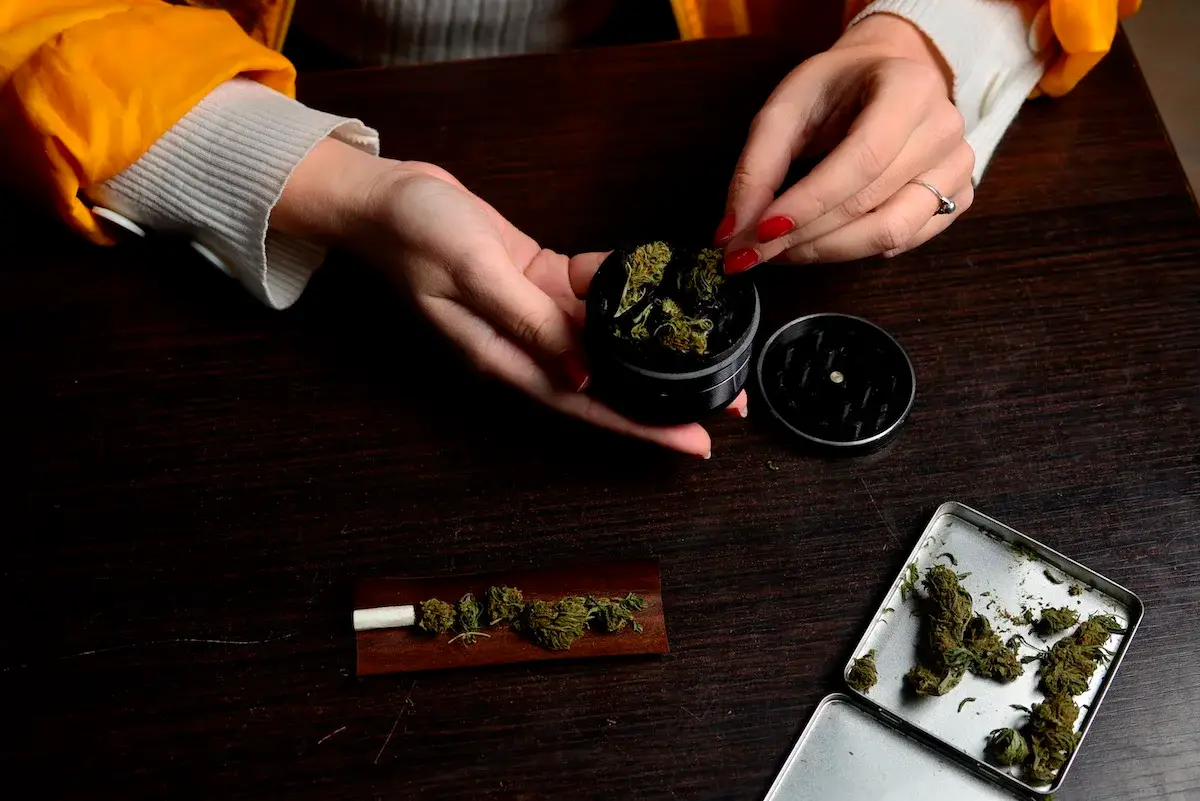
Marijuana goes by many names, including weed, pot, bud, THC and Mary Jane. It can be smoked, vaped or used in tinctures and oils. Marijuana is also commonly consumed in edibles, including everything from baked goods to candy, and dabs and concentrates are also available. High-potency marijuana products, such as edibles and concentrates, can increase the risk of marijuana side effects, including paranoia, anxiety and impaired coordination, and cannabis addiction.
In this article, we explain how THC dependence develops, why marijuana abuse can lead to addiction and how to recognize the signs of weed addiction. We’ll also answer frequently asked questions about cannabis use disorder and how to reach out for help.
Why Does Marijuana Lead to Addiction?
The active component in marijuana that contributes to the high feeling is tetrahydrocannabinol (THC). THC affects the brain’s reward system by binding to cannabinoid receptors and producing a feeling of calm. Many people use weed to cope with stress or to help them fall asleep.
Over time, the body can build up a cannabis tolerance, which means it takes more marijuana or higher-potency products to get the same effect. Once the body is used to having marijuana, trying to cut back or stop use can lead to cannabis withdrawal, which can include symptoms such as irritability, difficulty sleeping and strong marijuana cravings.
Marijuana Abuse vs Marijuana Addiction
Understanding marijuana abuse vs. addiction can help you understand when you or someone you love may need help to overcome compulsive cannabis use. Marijuana abuse generally involves heavy daily use, and the person may use it in potentially dangerous situations, such as before driving or going to work or school. The person is also likely to continue using even if there are negative consequences, such as impaired job performance or relationship problems.
Marijuana addiction, formally called cannabis use disorder, is characterized by compulsive use with impaired control. The person often has strong cravings and will continue to use even when they feel a loss of control with marijuana or experience harm, such as physical side effects.
Marijuana abuse and addiction can happen even if you started out only using cannabis occasionally, such as only at night before bed or on the weekends when socializing with friends. If you’ve tried repeatedly to quit or you’ve found yourself prioritizing getting high over relationships and responsibilities, these are cannabis use disorder signs.
Does Marijuana Cause Dependence?
It’s possible to develop marijuana dependence over time as the body adapts to regular THC exposure. Cannabis dependence can lead to physical THC withdrawal symptoms, such as restlessness, decreased appetite, insomnia and anxiety. Psychological dependence on weed can also occur, especially with daily cannabis use, and can make someone feel like they can’t have fun or feel like themselves without marijuana.
The risk of dependency increases with frequent and heavy use, using high-potency products or using marijuana specifically to help with anxiety or sleep. While marijuana dependence isn’t the same thing as addiction, it can still be an important warning sign that misuse is escalating.
What Are Signs of Marijuana Addiction?
Some of the common signs of marijuana addiction include using more than you intended, trying unsuccessfully to cut back and choosing to use instead of participating in hobbies or hanging out with friends. Other cannabis addiction symptoms are needing marijuana to start or end the day and experiencing cognitive signs, such as difficulty focusing or thinking or reduced motivation.
Feeling irritable or anxious when not using or using in high-risk situations, such as driving high or mixing marijuana with alcohol or other substances, can also be weed use disorder signs.
What Are Marijuana Withdrawal Symptoms?
Marijuana withdrawal is common when someone is frequently using cannabis or using it in high concentrations and then tries to cut back or stop. The severity of the symptoms depends on how often the person uses marijuana and in what doses.
Cannabis withdrawal symptoms include emotional changes, such as irritability and anxiety, as well as physical symptoms, such as insomnia, appetite changes and strong cravings. Some people may also experience headaches, sweats or chills and an upset stomach during THC withdrawal.
What Are the Side Effects of Marijuana Abuse?
When someone is misusing marijuana, they’re likely to experience short-term effects, such as an impaired ability to concentrate or pay attention, slower reaction times and poor coordination. All of these can also increase the risk of an accident and physical harm. You may also feel physical side effects, such as an increased heart rate, red eyes, coughing or dry mouth.
Long-term cannabis side effects often involve cognitive symptoms, such as memory issues, as well as difficulties with sleep and motivation. Weed anxiety and paranoia are also common when someone uses cannabis in high doses over time.
The method of use can also affect the timing of side effects. For example, edibles take longer to take effect than quicker delivery methods, such as vaping. This can lead some people to take more than intended because they don’t feel anything right away and increase the chances of side effects and potential overdose.
What Are Risk Factors for Marijuana Addiction?
The presence of risk factors for marijuana addiction can make it more likely for someone to develop physical and psychological dependence that becomes a problem. Cannabis use disorder risk factors include starting marijuana use in adolescence.
Teen marijuana use risks increase when the person is using daily or using high-potency concentrates. There’s also an increased risk of marijuana addiction when there are co-occurring mental health issues, such as anxiety, depression or trauma, or family and environmental factors, such as stress or easy access to marijuana or other substances.
How Is Marijuana Addiction Diagnosed?
If you’re concerned about your marijuana use, seeing a clinician for a substance use evaluation can help you determine if you meet the requirements for a cannabis use disorder diagnosis. When diagnosing marijuana addiction, healthcare providers look at cannabis use patterns over time. A marijuana addiction assessment will include questions about how frequently you’ve used marijuana and for how long, as well as your preferred method of ingestion and the potency of the products.
Cannabis use disorder criteria may include feeling like your use is out of control or experiencing strong cravings or withdrawal symptoms. It can also include risky use, including driving high or polysubstance use, and continuing to use despite negative consequences. Screening for cannabis use disorder also generally includes a mental health assessment to determine if anxiety, depression or other issues may be driving marijuana use.
FAQs About Marijuana Addiction
What counts as marijuana abuse?
Marijuana substance abuse is using cannabis or THC in any way that interferes with your daily responsibilities and physical and cognitive functioning. Drug abuse can include frequently using cannabis or getting high in situations that could be dangerous and often looks like an increase in the frequency or dosage of drug use over time.
What are the most common signs of marijuana addiction?
Some of the most common signs of marijuana addiction include struggling to quit even when you want to and experiencing strong cravings to use. Developing a tolerance or experiencing withdrawal symptoms when you try to quit are also signs that you could benefit from addiction treatment options for cannabis use disorder.
How does high-potency THC change addiction risk?
High levels of THC can raise the risk of long-term effects from cannabis use, including mental health conditions and even psychosis. This can be especially problematic for adolescents and young adults because it can affect brain development and cognitive function.
Can marijuana cause anxiety or panic attacks?
While many people use marijuana to calm down, deal with stress or make it easier to sleep, it’s also possible for cannabis to actually increase anxiety or cause panic attacks. This is more likely to happen when someone is using high-potency products.
What does cannabis use disorder mean?
Cannabis use disorder is the formal medical diagnosis when someone is using marijuana in a way that causes them distress. Someone who uses multiple times per week, or even daily, despite repeated attempts to quit and having difficulty with job performance and relationships, may be diagnosed with cannabis use disorder.
Find Help for Yourself or a Loved One with Marijuana Addiction
Cannabis misuse often happens gradually, moving from occasional use to dependency over time. If you’re struggling with daily use and negative consequences from getting high or you’ve tried to cut back before and failed, it may be time to reach out for help for marijuana addiction.
Help.org is a free, confidential resource that can help you find a treatment center for marijuana that fits your needs. Cannabis abuse support is available, and reaching out is the first step. We’re here to make the process just a little bit easier.
Sources
 National Conference of State Legislatures – State Medical Cannabis LawsCleveland Clinic – Marijuana (Weed) WithdrawalCenters for Disease Control – Cannabis and Brain HealthNational Library of Medicine – Cannabis Addiction and the Brain: A ReviewCleveland Clinic – Cannabis Use DisorderSAMHSA – Know the Effects, Risks and Side Effects of Marijuana