


Peyote Addiction: Signs and Side Effects of Peyote Abuse
Trusted Content
Peyote Addiction: Signs and Side Effects of Peyote Abuse
 Topics on this page
Published: April 20, 2026
Set the block title
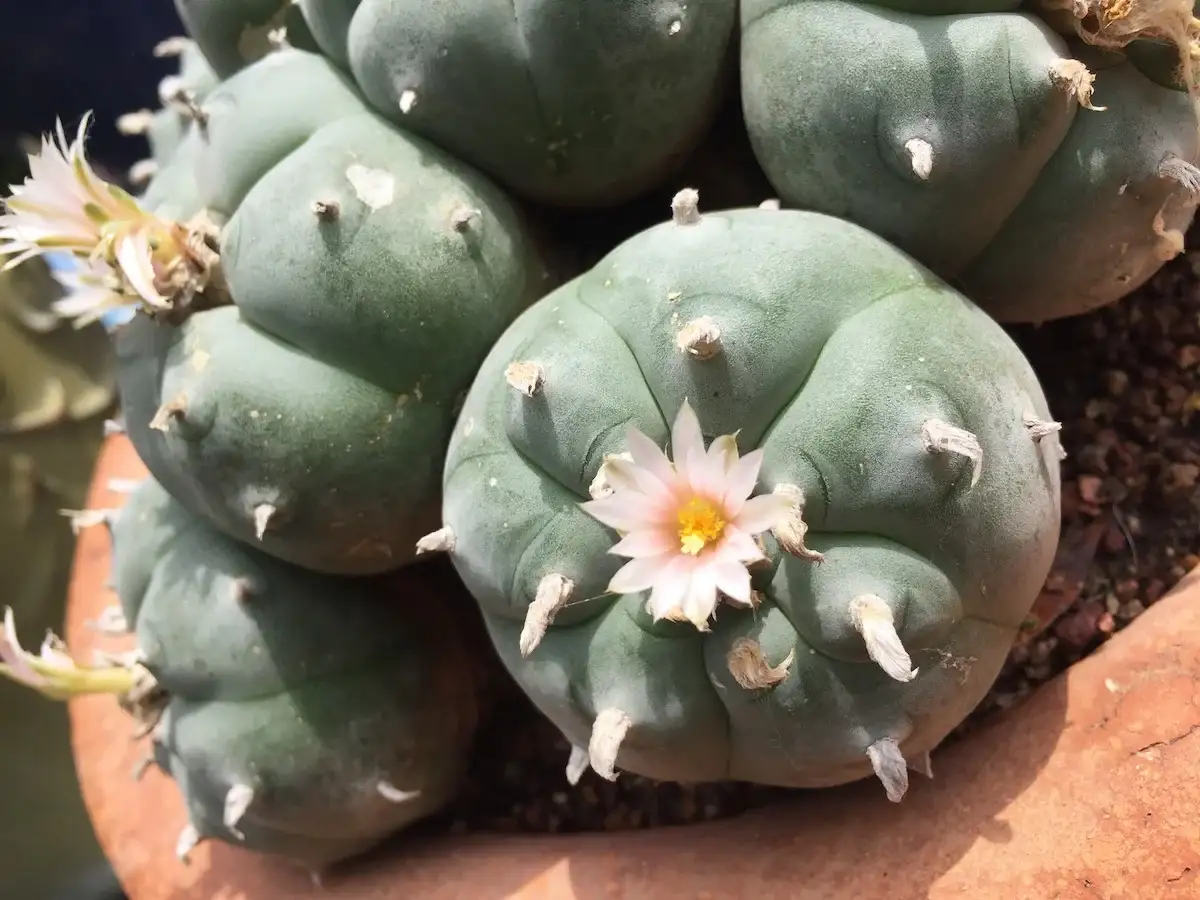
Peyote is a small cactus that contains a substance called mescaline, which can cause psychedelic effects when smoked or ingested. Many people know the term “peyote” related to Native American traditions, as it’s been used for centuries in some indigenous ceremonies. However, nonmedical use of mescaline can carry risks, including peyote addiction.
You might hear this drug referred to as buttons, peyote buttons and mescal, although slang terms vary depending on your location. The actual ingredients of so-called peyote or mescaline also vary, and illicit products marketed under these names can contain completely different substances, increasing risks for use.
This article provides details about peyote addiction, exploring peyote abuse vs. addiction, mescaline side effects and withdrawal symptoms. It addresses health and safety risks and the possibility of dependence rather than focusing on peyote addiction treatment.
Why Does Peyote Lead to Addiction?
Peyote is addictive in part due to the emotional and mental elements tied to its use. Experiences with peyote can feel meaningful and intense for many people, leading them to attempt to recapture those feelings with repeated use. The hallucinogenic and otherworldly effect of mescaline lends to it being used as an escape from stress, unwanted emotions or bad situations, which also fosters repeat use.
As someone uses peyote repeatedly, they may find they don’t have the same experience. Mescaline tolerance means it takes more of the drug to get the same intense feelings or escapism. Peyote dependence can develop, and stopping peyote use can lead to cravings or a deep psychological need to use mescaline again.
Compulsive peyote use occurs when someone feels unable to stop the pattern. They may not be able to stop even if they’re facing negative physical or legal consequences because of peyote use.
Peyote addiction doesn’t occur in every person who uses peyote. However, the drug can cause unpredictable psychological effects and behavior, and problematic peyote use — use that occurs despite negative outcomes — can be enough to cause someone to consider mescaline addiction treatment options, even if physical or psychological dependence isn’t present.
Peyote Abuse vs Peyote Addiction
Peyote use, abuse and addiction aren’t the same things. Use refers to using the substance in any way. Peyote abuse refers to mescaline use that puts someone at risk of harm or increases the risk of harm.
Examples of peyote abuse might include:
- Frequent use
- Use in unsafe settings, such as while driving or alone
- Using peyote with other substances, such as alcohol or stimulants
- Continued use despite serious consequences, such as psychological distress or negative impacts on your relationship or job
Addiction involves compulsive, uncontrolled use. Someone may continue to use peyote even when they don’t want to and they know there’s a potential for harm due to intense cravings or emotional reliance on the drug.
Peyote isn’t addictive in the same way as alcohol or opioids. It tends to look more like psychological reliance, which is true of hallucinogen use disorder in general.
Does Peyote Cause Dependence?
A pharmacology study of mescaline and peyote found that physical dependence is unlikely to occur, even when someone uses peyote regularly. However, compulsive patterns can still develop based on emotional, social or other use patterns and psychological cravings for and reliance on the substance.
Symptoms of psychological dependence on peyote can include:
- Feeling unable to cope with life stressors without using peyote
- Relying on it to dampen emotional intensity or help deal with emotions
- Needing it to feel connected to others
While the same type of physical dependence that’s common with a drug such as heroin is uncommon with mescaline, tolerance can occur. After more frequent use, you might find that you need more mescaline or use it more often to get the same effects. These cycles can lead to increasing use and addiction.
What Are Signs of Peyote Addiction?
Signs of potential peyote addiction can include overt behavioral differences, changing mental or emotional state or concerning patterns of use.
Behavioral Signs and Patterns
How, when and why someone uses peyote can be early signs of mescaline use disorder.
Patterns and behaviors associated with peyote addiction include:
- Using more than intended or being unable to cut back, even when making a good faith effort on your own
- Spending significant time, money or other resources getting peyote or recovering from use
- Increasingly using peyote or changing the circumstances of use, such as using mescaline alone when you previously only used it in social settings
- Turning to peyote as a coping tool for dealing with life or emotions
- Relationship conflict related to mescaline use
- Poor performance at school or work related to use
- Lying about or trying to hide peyote use
Mental and Emotional Peyote Abuse Signs
Mescaline addiction symptoms often show up internally before they’re visible to others. Cravings, a preoccupation about when you’ll use peyote next and mood changes between highs can signal a problematic relationship with the substance. Some people feel disconnected from their life when they aren’t using peyote, which is a symptom of growing psychological dependence.
Hallucinogen Misuse Warning Signs Related to Safety
Safety-related red flags can be a clear sign of hallucinogen use disorder. Examples include using peyote in dangerous situations or mixing it with other drugs or alcohol. Driving while impaired by peyote is another common safety red flag.
What Are Peyote Withdrawal Symptoms?
Peyote withdrawals typically aren’t as physical and dramatic as those experienced when stopping heroin or other drugs that drive severe physical dependencies. However, that doesn’t mean mescaline withdrawal symptoms don’t exist or that people can easily overcome them alone.
Common peyote withdrawal symptoms include:
- Cravings for mescaline
- Low mood or depression
- Anxiety and irritability
- Problems sleeping
- Feeling unmotivated or unable to engage with normal routines
After stopping peyote, the intensity of cravings or other symptoms depends on how much mescaline you use, when you use it and how often you use it. Heavy, regular use typically leads to more withdrawal symptoms.
What Are the Side Effects of Peyote Abuse?
Immediate mescaline side effects may be caused by the bitter taste and ingestion of the substance. Nausea and vomiting are common before the psychedelic effects of the drug are felt. Psychedelic peyote effects include hallucinations, altered experience of time and synesthesia, which is the blending of senses (such as seeing sounds or hearing colors).
Other short-term side effects include:
- Feelings of euphoria
- Anxiety, panic or paranoia
- Changes in body temperature, heart rate or blood pressure
- Uncoordinated body movements or feeling clumsier than usual
- Excessive sweating or flushing
- Headaches
Long-term side effects of peyote can include worsening mental health conditions. For example, someone might experience more frequent or intense anxiety or panic.
Flashbacks associated with traumatic events or memories may also occur. Side effects are more likely with heavier mescaline use or when mixing peyote with other substances, such as alcohol, cocaine or prescription drugs.
What Are Risk Factors for Peyote Addiction?
Certain mental health, social and personal factors can increase the chance of developing problematic peyote use. Understanding risk factors for peyote addiction can help individuals and loved ones recognize when addiction treatment may be a good choice.
Factors that can increase vulnerability to peyote addiction include:
- A history of mental health conditions. Previous anxiety, depression or trauma symptoms can increase the effects of peyote for some people and make it harder to control compulsive use. People with undiagnosed or untreated mental health disorders might use peyote as a way to self-medicate by escaping their symptoms temporarily.
- Poor coping skills. Using peyote to combat life stress or emotions, such as grief or anger, can develop into habits of avoidance, causing someone to fall into these coping skills regularly and use more and more mescaline.
- Social exposure to mescaline or other substances. Frequent exposure to environments that include substance use can normalize peyote use in daily life.
- Combining peyote use with other substances. Combining peyote with alcohol, stimulants or other drugs can increase the risks of having hallucinogen use disorder. A previous diagnosis of substance use disorder can also increase your risk of peyote addiction.
- Impulsivity or sensory seeking. Traits that cause someone to be a risk-taker or adventurous may increase the likelihood that they try substances, such as mescaline. Other habits, such as consistent poor sleep, can lead to risky use patterns.
How Is Peyote Addiction Diagnosed?
Because peyote doesn’t produce the same type of physical dependence common with opioids, alcohol and some other substances, diagnosis of peyote addiction can look a bit different. Clinicians rely on evidence-based approaches to evaluate patterns and recognize potential problematic peyote use. They also use substance use disorder criteria from the DSM-5, which is a diagnostic manual for behavioral disorders.
Some patterns clinicians look for when evaluating a person for mescaline use disorder include:
- Lack of control regarding use. Using more peyote than intended or being unable to stop or reduce use despite a genuine desire to do so are behavioral indicators of dependence or addiction.
- Cravings and continued preoccupation with peyote. Persistent urges to use or spending significant mental energy thinking about the next experiences can signal hallucinogen use disorder, even without physical withdrawal symptoms.
- Using mescaline despite harmful consequences. Using peyote despite worsening mental health symptoms or damage to your relationships can be a signal of problematic use.
- The real-world impact of peyote use. Impaired function at work, home or school can signal substance use disorder.
Many clinical diagnosis processes also evaluate mental health. Because anxiety, depression and trauma symptoms can either drive or result from peyote misuse, assessment typically includes these screenings.
FAQs About Peyote Addiction
What counts as peyote abuse?
Peyote abuse includes using the substance more frequently than you intend, combining it with other substances, using mescaline in high-risk situations or while alone or relying on the drug to cope with stress or emotions. If you’re using peyote consistently despite negative consequences, you may have peyote addiction.
What does peyote intoxication look like?
Peyote intoxication typically involves vivid visual hallucinations, distorted perception of time and space and intense emotions. Many people also experience nausea and physical symptoms, such as an increased heart rate. The effects of peyote last around 12 hours on average.
What is a “bad trip” and why can it be dangerous?
A bad peyote trip occurs when you have a distressing experience while taking mescaline. They’re marked by paranoia or panic, often due to frightening hallucinations. Individuals also experience bad trips due to unexpected effects when mixing peyote with other substances or taking hallucinogenic drugs adulterated with other ingredients.
Can peyote worsen anxiety or panic symptoms?
Peyote can worsen anxiety or panic symptoms because the hallucinogenic effects are unpredictable and include hallucinations and other altered perceptions.
Can peyote cause long-term mental health effects for some people?
Peyote use might be linked to hallucinogen persisting perception disorder, or HPPD. This disorder causes someone to continue to have periods of disturbance even when they aren’t taking peyote. Ongoing mescaline use can also contribute to lasting mood disruption or anxiety.
Find Help for Yourself or a Loved One with Peyote Addiction
Experimentation with peyote isn’t uncommon. Data from the National Library of Medicine indicates that around 8 million people have used mescaline in their lifetimes, and approximately 5.5 million have used peyote. The differences in those figures is because synthetic mescaline, a substance not directly from the peyote cactus, is possible.
However, problematic psychedelic use can build gradually, moving from experimentation and occasional social use to relying on peyote as a coping tool. If your peyote use escalates, you’re experiencing frightening symptoms or you notice mescaline use negatively impacting your life, it may be time to seek peyote abuse support and treatment.
Help.org offers a confidential treatment finder to help you search for hallucinogen addiction resources and find a peyote rehab program that meets your needs.
Sources
 Mescaline (Peyote) – Facing Addiction in AmericaHallucinogens: LSD, Peyote, Psilocybin, and PCP – Department of Veteran AffairsPharmacokinetic and Pharmacodynamic Aspects of Peyote and Mescaline: Clinical and Forensic Repercussions – National Library of Medicine