


Rehab Centers for Peyote Addiction
Trusted Content
Rehab Centers for Peyote Addiction
 Topics on this page
Published: April 20, 2026
Set the block title
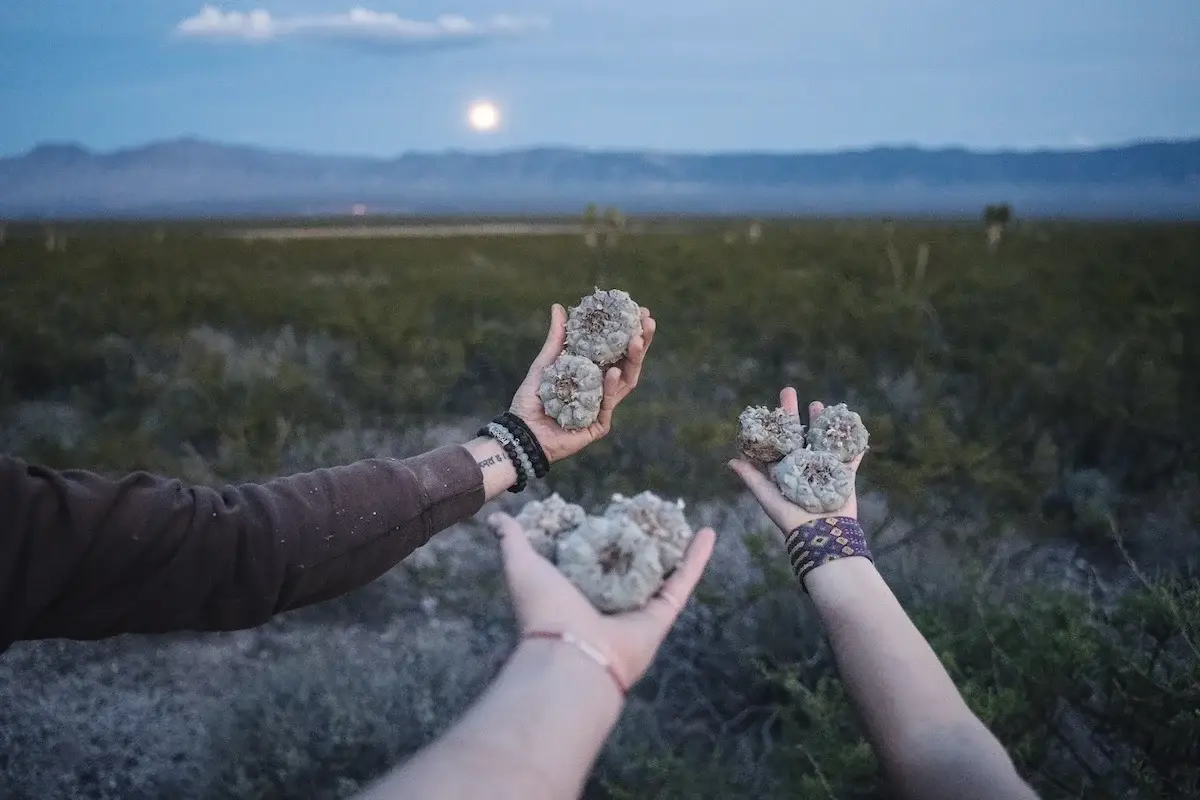
Peyote is a cactus that grows in certain parts of North America, typically in desert environments, and includes a compound called mescaline. That compound is one of the oldest known hallucinogens; archaeological findings suggest that Native Americans used peyote for ceremonial purposes as long as 5,700 years ago.
Outside of protected ceremonial use, mescaline is considered a controlled substance. Even when use begins in ceremonial ways, peyote addiction can occur. This article explores who might need peyote substance use disorder treatment options, what to expect in mescaline addiction treatment and what happens after peyote rehab.
Who Needs a Peyote Rehab Program?
While the risks of physical dependency on peyote are considered low relative to the risks associated with substances such as opioids or alcohol, compulsive or problematic use still occurs.
Some signs that peyote addiction treatment may be appropriate include:
- Continued use of peyote, even after experiencing multiple bad trips that led to panic attacks or severe physical reactions
- Using peyote as a coping mechanism for stress, trauma or grief
- Symptoms of Hallucinogen Persisting Perception Disorder (HPPD), including persistent flashbacks
- Mixing peyote with other substances, such as cannabis, alcohol or other hallucinogens
- Mental health symptoms that get worse between peyote use
- Existing mental health conditions or the potential for dual diagnoses, particularly when peyote is used to self-medicate symptoms such as anxiety or depression
What Happens During Peyote Rehab?
Treatment for mescaline use disorder, whether in an inpatient or outpatient rehab setting, starts with intake and assessment processes. During intake, screening for mental health occurs; co-occurring mental health conditions are usually included in treatment planning to support an integrated approach. HPPD screening is also probable, and clinicians should understand whether persistent perceptual disturbances are a factor.
During early rehab, you’ll work with therapists and other providers on an individualized treatment plan. This document captures your goals for rehab and plans for addressing mescaline substance use patterns and related emotional and lifestyle triggers.
As you move into rehab, you may go through a detoxification stage during which the primary concern is stabilization and managing withdrawal symptoms. You’ll also likely participate in individual and group therapy and education classes or activities to understand how peyote impacts you physically and mentally. Throughout rehab, evidence-based approaches, such as cognitive behavioral therapy, are used to help you develop relapse prevention skills to support long-term recovery.
Understanding Peyote Detox
Peyote detoxification doesn’t normally come with the intense physical withdrawal effects associated with other substances, such as alcohol addiction. However, psychological symptoms often occur and can make it mentally or emotionally uncomfortable to manage quitting peyote alone.
Some withdrawal symptoms to expect during mescaline detox include:
- Low mood
- Anxiety
- Sleep disruption
- Restlessness
In cases that involve HPPD, perceptual disturbances, which can include intense flashbacks, hallucinations or other frightening experiences, make clinical monitoring even more important. In inpatient settings, 24/7 monitoring and a safe, structured environment can provide peace of mind as you get through the first days or weeks of rehab.
However, detox is generally about stabilization and not active addiction treatment. It’s more of a bridge between when someone last used mescaline and when they started working on not using it in the future.
Peyote Rehab Treatment Methods
Following the detox stage, you might enter active rehab. You may start individual therapy sessions or participate in group therapy during your first week in residential rehab or an intensive outpatient program (IOP).
Common methods used in peyote addiction treatment include:
- Matrix Model. This approach was originally developed for stimulant misuse, but many of its tenets also apply to mescaline use disorder. The treatment involves highly structured weekly schedules, which may be of particular relevance when someone is using peyote often or engaging in binge use periodically.
- Behavioral therapy. Talk therapy sessions include work with licensed professionals who help people with peyote addiction develop better coping skills and understand triggers for their substance use. Cognitive behavioral therapy (CBT) is a common approach, as it focuses on identifying the thoughts, emotions and behavior patterns that drive mescaline use.
- Addiction counseling. Individual sessions use CBT and other methods to address emotional and psychological triggers for peyote use. Group therapy offers a chance to explore skills with others.
- Recovery support groups. Peer support groups offer accountability and help reduce the risk of someone feeling isolated in their recovery.
Treatment for co-occurring disorders may include additional therapy approaches and education on nutrition, exercise and overall wellness. Although there’s no approved drug to help treat peyote use disorder, clinicians may provide medication to treat co-occurring mental health conditions, such as anxiety or depression.
How Long Will Peyote Rehab Last?
Peyote rehab length depends on the severity of use, the presence of co-occurring mental health conditions and how a person responds to treatment.
Programs commonly run 30, 60 or 90 days, with longer stays more likely in cases involving:
- HPPD symptoms
- History of trauma
- Co-occurring mental health disorders
- Use of additional substances
Many people who start with an inpatient treatment program move to lower levels of care through a step-down approach. They may follow a residential program with a partial hospitalization program (PHP) or an IOP option. After that, they may transition to standard outpatient treatment, which might include weekly counseling appointments and participation in support groups.
What to Expect After Peyote Rehab
Because emotions or internal thought processes may trigger peyote use, continuing care can be important after rehab. Emotional triggers, such as grief or stress, don’t go away because you successfully went through inpatient rehab, and continued aftercare via therapy appointments or support groups helps you maintain gains won in treatment.
Some things to expect after peyote rehab include:
- Participation in individual or family therapy
- Continued mental health treatment, if applicable
- Participation in peer support groups
- Structured check-ins for relapse prevention
- Time spent building new routines, particularly around healthy sleep patterns and stress management
Aftercare for peyote use disorder should follow an individualized plan that addresses your emotional and psychological needs. Family involvement can be helpful, especially when loved ones are able to be a positive part of a long-term recovery support system. In situations where home lives aren’t stable, sober living environments can be part of a step-down approach.
Relapse Prevention After Peyote Rehab
Relapse prevention plans are personalized, written action plans that address methods for abstaining from peyote and responding to triggers in healthier ways.
Some potential elements of a mescaline relapse prevention plan include:
- Identifying emotional triggers for peyote use. Because peyote use is often tied to internal states, such as grief or stress, identifying the emotional patterns that lead to use can position someone to break those cycles.
- Practicing CBT-based coping skills. Skills learned during CBT help you interrupt unhealthy thought-feelings-behavior cycles with healthier coping mechanisms.
- Managing HPPD symptoms, as needed. Ongoing clinical support can help reduce the frequency or intensity of HPPD symptoms.
- Setting boundaries related to high-risk situations. Examples include limiting participation in events associated with peyote use or avoiding alcohol or cannabis, which can lower inhibitions and lead to mescaline use.
- Continuing with relevant mental health treatment. Uncontrolled mental health symptoms may lead to substance use, so maintaining treatment can help reduce the risks of these cycles.
- Working within accountability structures. Regular check-ins with counselors, attendance at peer groups and keeping trusted loved ones informed of your recovery goals can create external support for long-term recovery.
How Much Does Peyote Rehab Cost?
Costs for peyote addiction treatment vary widely depending on individual circumstances and program type.
Why Peyote Rehab Costs Vary
Level of care is one of the biggest factors in addiction treatment cost. Residential rehab usually costs more than intensive outpatient options because you live at the rehab center 24/7. Program length also impacts costs. Treatment over a 90-day period involves more resources and services than treatment for 30 days.
Other factors that impact cost include:
- Co-occurring diagnoses and the intensity of treatment needed
- Whether you choose a luxury treatment location
- Geographical location, as some areas are more expensive than others
Does Insurance Cover Peyote Rehab
Yes, most healthcare insurance plans include behavioral health benefits that cover addiction treatment. That’s true of private insurance plans purchased through the market, employer-sponsored insurance plans and Medicare/Medicaid. However, regardless of whether a rehab is in-network with your plan, your specific benefits and deductible impact how much you’ll pay out of pocket for treatment.
Can You Get Help Paying for Peyote Rehab Without Insurance
Many treatment centers offer financial assistance for individuals who don’t have insurance or need help covering their portion of the cost. One common approach is a sliding-scale fee structure, where costs are determined based on your income or resources. Other options include free community treatment centers and state-funded programs.
Does Rehab Cure Peyote Addiction?
Rehab doesn’t cure peyote addiction. It provides a safe, structured place for you to address the emotional patterns, mental health conditions and unhealthy coping skills that contributed to compulsive use of mescaline.
Success in recovery isn’t a cure because addiction is considered a chronic condition. Instead, it looks like improved emotional regulation and use of positive coping skills when faced with difficult external or internal situations.
Benefits of Drug Rehab for Peyote Addiction
Peyote rehab helps you build psychological resilience to support overall wellness without relying on mescaline use.
Benefits can include:
- Access to HPPD screening and the clinical support needed to manage those symptoms
- Integrated treatment for co-occurring mental health disorders to improve the chances of positive outcomes
- A structured environment that supports success for stabilizing sleep and mood
- Evidence-based behavioral therapies that help you build skills for long-term recovery success
- Peer support and accountability from others, including professionals
FAQs About Rehab for Peyote Addiction
How do I know if I need inpatient rehab for peyote?
Inpatient rehab may be worth considering if you’re experiencing symptoms of HPPD, outpatient treatment hasn’t worked for you in the past or your home or social environments regularly trigger use. You may also benefit from inpatient rehab if you have a co-occurring mental health disorder, such as anxiety or depression.
Can I do peyote rehab while working or caring for my family?
It depends on your treatment needs. Residential treatment requires a full-time commitment, which usually means putting other obligations on hold. However, some intensive outpatient or partial hospitalization programs are designed with career, family or other obligations in mind.
What happens if I relapse after leaving peyote rehab?
A relapse signals that you need additional support. It’s not a personal failure, but it suggests that your treatment plan or approach may need adjusting. Reconnecting with a counselor, attending a peer support group or stepping back up to a higher level of care are all potential responses to a relapse.
What’s a partial hospitalization program for hallucinogen misuse?
A PHP provides structured, intensive treatment without requiring you to live at the facility. Attendance is often several hours a day for 5 days a week, although schedules can vary depending on the program and your needs.
Do rehab centers treat peyote addiction and anxiety or depression together?
Many rehab centers provide integrated treatment that addresses addiction and mental health conditions at the same time. Most quality rehabs include mental health screenings in the intake process because symptoms such as anxiety and depression may be caused by or be root causes for addiction.
Get Help Finding Peyote Addiction Rehab Today
Peyote use disorder may have started as an experiment with mescaline, an attempt to reduce stress or any other reason for use. No matter why you first used peyote, if you often feel compelled to use it, experience panics or bad trips or have mental health symptoms, getting help quitting peyote can be a good next step.
Reaching out for help doesn’t have to be confusing. Help.org makes it easy to find peyote rehab locations near you that meet your needs or preferences.
Sources
 National Institute on Drug Abuse – Psychedelic and Dissociative DrugsNational Library of Medicine – An Overview on the Hallucinogenic Peyote and Its Alkaloid Mescaline: The Importance of Context, Ceremony and CultureNational Library of Medicine – Hallucinogen Persisting Perception Disorder: Etiology, Clinical Features, and Therapeutic Perspectives