


Tramadol Addiction: Signs and Side Effects of Tramadol Abuse
Trusted Content
Tramadol Addiction: Signs and Side Effects of Tramadol Abuse
 Topics on this page
Published: April 21, 2026
Set the block title
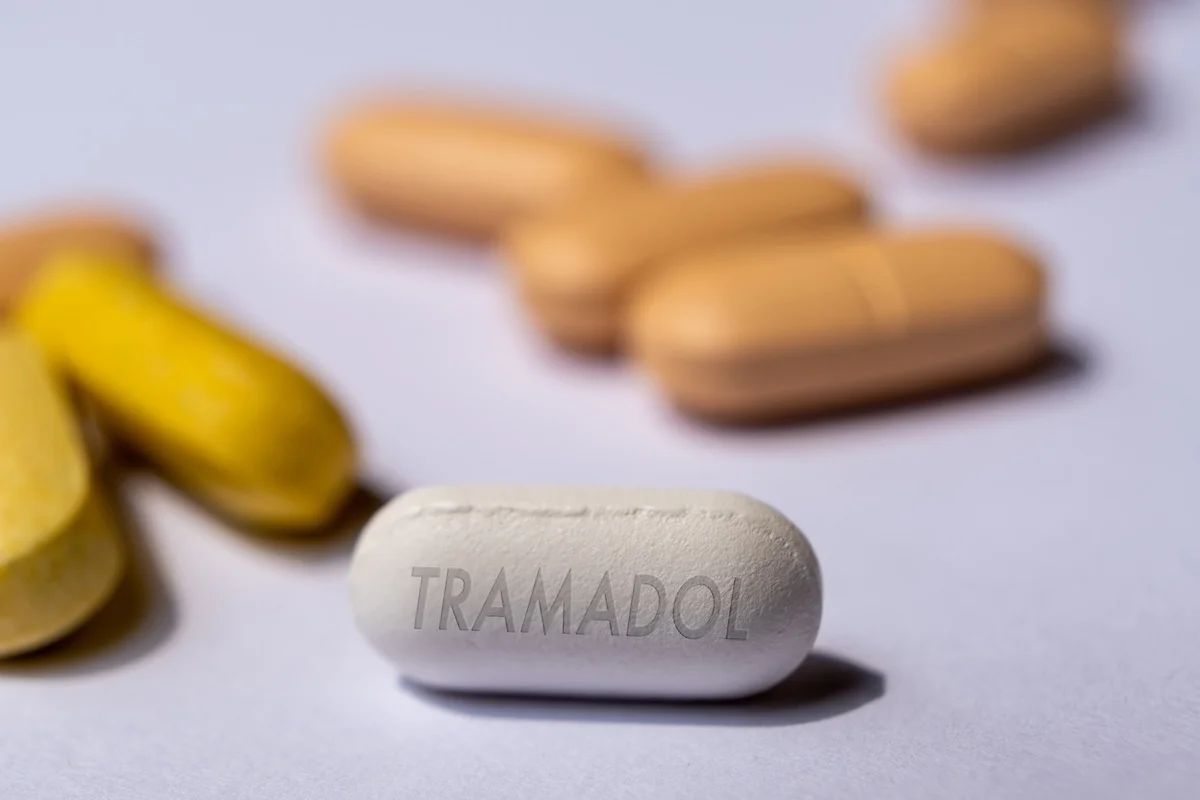
Tramadol is a prescription painkiller that has opioid effects on the body. Common brand names include Ultram, Ultram ER, ConZip and Ryzolt. Many people view it as a “milder” alternative to other opioids, but it can still lead to misuse, dependence and drug addiction, especially when you take high doses or use it outside medical guidance.
Misuse of extended-release tramadol, such as crushing or chewing the tablets, increases the risk of serious side effects because it causes you to receive a large dose all at once. Common street names for tramadol include tram, trammies and chill pills. Counterfeit pills might look like tramadol, but they may contain fentanyl, xylazine or other contaminants, which makes them dangerous.
This guide provides an in-depth overview of tramadol addiction, including why tramadol can be addictive, side effects and withdrawal symptoms. It focuses on the health effects of Tramadol addiction, so it doesn’t discuss rehab treatment programs.
Why Does Tramadol Lead to Addiction?
Tramadol is different from other opioids because it relieves pain in more than one way. When it binds to opioid receptors in your brain, tramadol is converted to O-desmethyltramadol (M1), reducing pain and producing sedative effects.
It also increases serotonin and norepinephrine levels in the brain. Both chemicals are neurotransmitters, which means they help nerve cells communicate with each other. In some people, the dual action of tramadol reinforces repeated use.
Once you start taking it for pain relief, you may notice that it helps you feel calmer, improves your mood or makes it easier to manage intense emotions. If you begin relying on these effects, tramadol can shift from a pain medication to a daily coping tool.
The Withdrawal Cycle
Another reason tramadol can be addictive is because of the withdrawal cycle. If you stop taking tramadol after using it regularly, you may experience uncomfortable withdrawal symptoms. These symptoms prompt some people to start using tramadol again just to avoid feeling sick or anxious.
Over time, your motivation shifts from feeling better to trying to avoid feeling bad. As dependence deepens, you may experience an increase in cravings. The risk of harm increases if you take high doses, use tramadol frequently or mix tramadol with alcohol or sedatives.
Tramadol Abuse vs. Tramadol Addiction
The terms “abuse” and “addiction” are outdated, although they’re often still used by laypeople. Clinicians now use the terms “misuse” and “substance use disorder” to reflect that these are treatable brain conditions and not a personal choice.
Tramadol abuse and tramadol addiction have some overlapping symptoms, but it’s important to distinguish one from the other. Tramadol abuse refers to using this medication outside medical guidance.
Examples include:
- Using tramadol longer than directed
- Taking higher doses than prescribed
- Crushing or chewing extended-release tablets
- Using someone else’s medication
- Mixing it with alcohol or other drugs to intensify the effects
Tramadol misuse often begins as a need for “extra pain relief.” Over time, you start to rely on tramadol to manage intense emotions or get through stressful situations. Misuse increases the risk of health complications and may turn into an opioid use disorder.
Tramadol addiction, also known as tramadol use disorder, involves compulsive use accompanied by intense cravings, impaired control and an inability to stop using it, even when it causes harm.
Addiction often leads to:
- Use of tramadol even after overdosing or having seizures
- Repeated unsuccessful attempts to cut back or stop using the drug
- Hiding use from family members and friends
- Buying pills if your prescription runs out
- Requesting early refills
- Strong urges to take opioids
Does Tramadol Cause Dependence?
Tramadol can cause both physical and psychological dependence. Physical dependence occurs when your body adapts to the effects of tramadol. If you reduce your dose or stop taking it suddenly, you may experience opioid withdrawal symptoms.
This doesn’t automatically mean you have an addiction, but it does indicate that your body is relying on tramadol to function normally. The risk of physical dependence increases with high doses, extended use and frequent dosing. You may also develop a physical dependence if you misuse extended-release products.
Psychological dependence involves relying on tramadol to improve focus, feel calm or balance your emotions. If you don’t take it, you may feel anxious or depressed, even if your physical withdrawal symptoms are mild.
The risk of psychological dependence increases if you use tramadol to cope with stress, depression or trauma symptoms. While dependence is different from addiction, it may indicate that substance misuse is about to escalate.
What Are Signs of Tramadol Addiction?
Tramadol addiction affects your physical health, behavior and mental health. It can also lead to serious safety issues.
Physically, tramadol can cause drowsiness, dizziness and nausea. Because opioids slow down your nervous system, it’s common to have constipation or slowed reaction time. It can also cause pinpoint (constricted) pupils.
Tramadol affects mood and cognition in several ways. You may feel anxious without it or become irritable when it’s been a while since your last dose. Some people also experience confusion or strong cravings.
Some people change their behavior when misusing tramadol, either to conceal their drug use or gain access to additional pills. For example, you may take more than intended, spend a significant amount of time obtaining it or prioritize tramadol misuse over other activities.
Other signs of tramadol addiction include:
- Using it without a prescription
- Doctor shopping
- Taking extra doses when you’re stressed
- Requesting early refills
As opioid use disorder progresses, you may start engaging in some unsafe use patterns, such as:
- Continuing use after respiratory depression, overdose or seizures
- Taking very high doses of tramadol
- Mixing it with alcohol or benzodiazepines
What Are Tramadol Withdrawal Symptoms?
Because tramadol has opioid and non-opioid effects, withdrawal can cause a variety of symptoms. Early on, you may experience muscle aches, watery eyes and runny nose. It’s also common for tramadol withdrawal to cause anxiety, sweating and insomnia.
As tramadol leaves your body, you may experience several digestive symptoms, including nausea, vomiting and diarrhea. Late withdrawal symptoms also include chills and goosebumps.
Some people report:
- Mood swings
- Panic symptoms
- Agitation
- Tingling sensations
The severity of tramadol withdrawal depends on the dose, duration of use and presence of other substances in your system. Higher doses and long-term use often cause more intense symptoms.
What Are the Side Effects of Tramadol Abuse?
Short-term side effects of tramadol include:
- Impaired judgment
- Dizziness
- Sedation
- Slowed reaction time
Tramadol use also comes with a risk of seizures and serotonin syndrome. Seizures are more likely if you have epilepsy, take large amounts of tramadol or mix it with other substances.
The risk of serotonin syndrome increases when tramadol is combined with certain antidepressants. Symptoms include muscle rigidity, heavy sweating and fast heart rate. Serotonin syndrome requires emergency care, as it can be life-threatening.
Using tramadol for long periods of time has additional risks. Some people develop chronic constipation, while others experience sleep disruptions or increased overdose risk. Long-term use may even affect mood stability and hormone levels.
Signs of tramadol overdose include:
- Slow breathing
- Extreme drowsiness
- Shallow breathing
- Blush lips or nails
- Unresponsiveness
The risk of overdose increases significantly when tramadol is mixed with alcohol, benzodiazepines or other substances. If you or someone you love exhibits any of these symptoms, call 911 right away.
What Are Risk Factors for Tramadol Addiction?
Certain medical factors increase your risk of developing an opioid use disorder. They include long-term prescriptions, limited monitoring and high doses of tramadol. You may also develop a tramadol use disorder if you use the medication longer than directed.
Chronic pain, repeated injuries and fear of having your pain return are some of the pain-related factors associated with tramadol addiction. If you have these issues, you may continue using it for relief, even when it harms you.
Tramadol addiction has also been associated with:
- Past substance misuse
- Anxiety
- Depression
- Using it to cope with strong emotions
- Trauma symptoms
The risk is higher if you take other medications that increase the risk of seizures or serotonin syndrome.
How Is Tramadol Addiction Diagnosed?
Diagnosing tramadol addiction involves comparing your use patterns to established diagnostic criteria. Clinicians focus on your use over time, not single episodes of tramadol misuse.
When you undergo an evaluation, the clinician will ask about:
- Loss of control
- Tolerance
- Cravings
- Risky use
- Withdrawal symptoms
- Continued use of tramadol despite harm
This evaluation typically includes a mental health screening and a medication review. This helps clinicians determine if you have a risk of serotonin syndrome or other serious complications.
Drug testing can confirm opioid exposure, but it doesn’t measure addiction severity, as a test only measures what’s in your body at a specific point in time. Diagnosis depends on your patterns of use and how they affect your ability to function.
FAQs About Tramadol Addiction
Is tramadol an opioid?
Yes, tramadol is classified as an opioid, but it differs from morphine, hydrocodone and oxycodone because it also works on alpha-2 adrenergic receptors, which are part of your sympathetic nervous system. It triggers the release of serotonin and norepinephrine, two neurotransmitters involved in pain relief and sedation.
Can tramadol cause seizures, and who is most at risk?
Yes, tramadol can cause tonic-clonic seizures, which involve muscle stiffening, sudden loss of consciousness and rhythmic jerking. These seizures usually occur within 24 hours of taking the medication, according to researchers from Mashhad University of Medical Sciences and Bojnurd University of Medical Sciences.
What is serotonin syndrome, and how is it linked to tramadol?
Serotonin syndrome is a dangerous drug reaction caused by the buildup of serotonin in the body. Tramadol is linked to serotonin syndrome because it increases serotonin levels in the nervous system.
What are the long-term side effects of heavy tramadol use?
Due to its effects on serotonin and norepinephrine levels, heavy tramadol use can cause serious neurological disorders. It may cause tremors, balance changes and other motor symptoms. Excessive tramadol intake can also affect learning and memory in individuals with Alzheimer’s disease.
Why is mixing tramadol with alcohol or benzodiazepines dangerous?
Mixing tramadol with other central nervous system depressants, such as alcohol or benzodiazepines, is dangerous because they slow brain activity and breathing and can lower your blood pressure and heart rate. Combining substances intensifies these effects, increasing the risk of respiratory depression and life-threatening overdose.
Find Help for Yourself or a Loved One with Tramadol Addiction
Prescription drug misuse can build gradually, especially if you start taking tramadol for pain relief. It doesn’t mean you’ve failed. You may benefit from professional support if you’ve been taking higher doses than recommended, experiencing withdrawal symptoms or mixing tramadol with alcohol or benzodiazepines.
Structured care is also beneficial if:
- You’ve had seizures due to tramadol use
- You’re concerned about serotonin syndrome
- You can’t cut back on your tramadol use
- You’ve had multiple relapses
Help.org is a free, confidential treatment finder that can help you find tramadol addiction help that fits your clinical needs, location and personal preferences.
Sources
 Annals of Medicine and Surgery – Tramadol poisoning and its management and complications: A scoping reviewWashington Medical Commission – Is tramadol an opioid or a nonopioid analgesic? Yes!Caspian Journal of Internal Medicine – Tramadol-induced seizure: A 3-year studyArchives of Academic Emergency Medicine – Seizure prevalence and its related factors in tramadol intoxication; a brief reportOchsner Journal – Serotonin syndromeCNS & Neurological Disorders – Drug Targets – Neurobehavioral consequences associated with long-term tramadol utilization and pathological mechanisms