


Ativan (Lorazepam) Addiction: Signs and Side Effects of Ativan Abuse
Trusted Content
Ativan (Lorazepam) Addiction: Signs and Side Effects of Ativan Abuse
 Topics on this page
Published: April 14, 2026
Set the block title
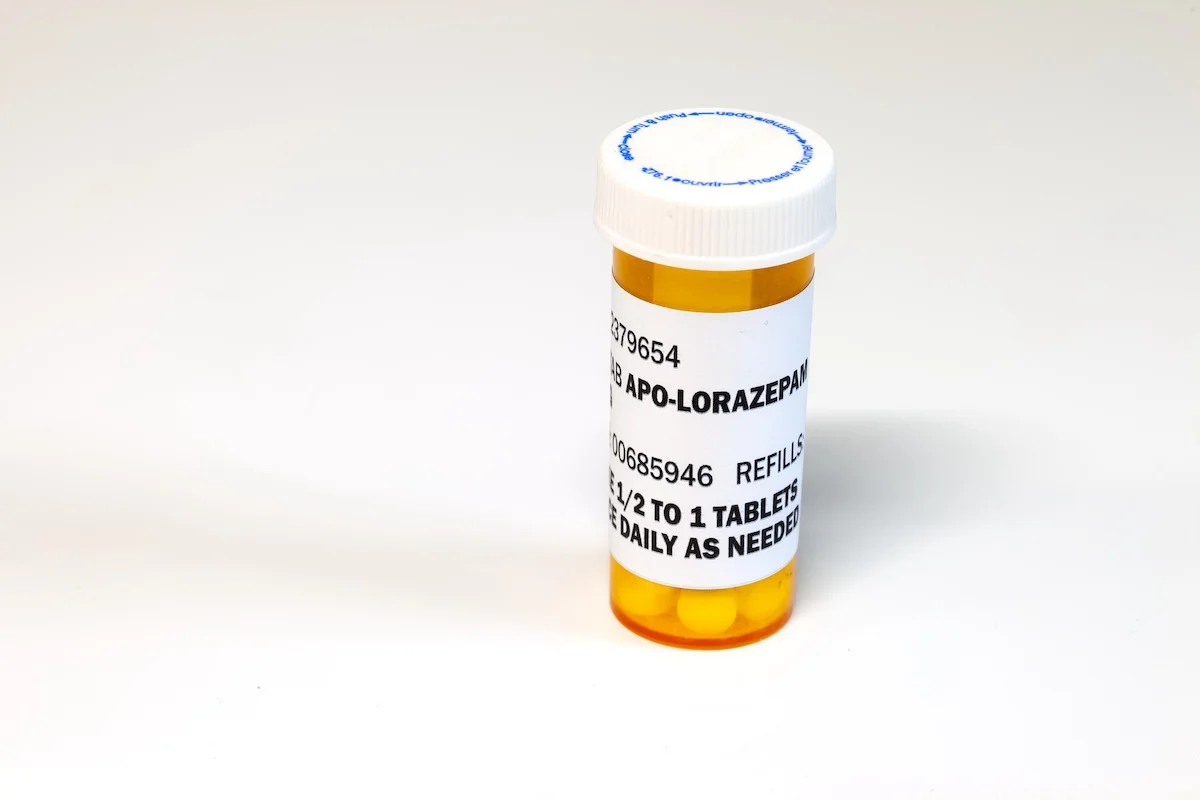
Ativan is the brand name for lorazepam, a prescription benzodiazepine used to treat a wide variety of issues, including anxiety, panic attacks, insomnia and seizures in medical settings. While it can be effective when used as directed, misuse can cause tolerance, dependence and addiction.
Misuse can involve taking it without a prescription, mixing it with alcohol or using it to alleviate the effects of stimulants. Some people might misuse it by taking higher doses, taking it more frequently or using it to intensify the effects of other substances. Street names for Ativan include benzos, downers and chill pills.
This article explains why Ativan can be addictive, key benzo misuse signs and Ativan side effects and withdrawal symptoms. It focuses on signs and health effects rather than treatment options or rehab programs for benzodiazepine addiction.
Why Does Ativan Lead to Addiction?
Ativan depresses the central nervous system (CNS). The drug is a GABA benzodiazepine, meaning it acts upon GABA (gamma-aminobutyric acid), an amino acid that slows brain activity.
It enhances the effects of GABA by binding to GABA-A receptors in the CNS, reducing anxiety-related behavior. In the cerebral cortex, benzodiazepines are effective for the treatment of seizure disorders.
Ativan begins to work quickly, within 1 to 3 minutes intravenously and 20 to 30 minutes when taken orally. This rapid action can result in people using it repeatedly when they panic or feel anxious because they don’t know the risks and feel desperate.
Ativan is approved for short-term treatment only. The FDA hasn’t approved Ativan for treatment longer than 4 months. People develop tolerance through enlarged doses or by taking the drug longer than intended. Those who develop tolerance may need higher lorazepam doses to achieve the same calming effect.
Some people become psychologically dependent on Ativan because they believe they can’t cope with anxiety, insomnia or the stress of everyday life without the drug. Some misuse patterns, such as taking extra doses or combining it with other depressants, can significantly increase risks of addiction and adverse health outcomes.
Ativan Abuse vs Ativan Addiction
Lorazepam misuse patterns can vary across a broad spectrum of behaviors. In the first pattern, commonly called Ativan abuse (although many experts now prefer the term misuse due to negative connotations), a person uses it outside medical guidance. This misuse may include taking higher doses than prescribed, using someone else’s prescription or using it for nonmedical reasons.
Someone engaging in Ativan misuse may still have control over their use. These individuals can stop or scale back their use when needed, although they may experience physical consequences or discomfort.
Addiction or substance use disorder (SUD) is compulsive Ativan use. Symptoms include impaired control, cravings and continued use despite harm. People with benzodiazepine use disorder may have tried and failed to quit multiple times.
For many people, misuse begins as occasional use to help manage sleep or stress, then shifts into a pattern that becomes difficult to break. For example, someone using Ativan to get through challenging social situations or to numb emotions may eventually find they’re unable to function without it.
Does Ativan Cause Dependence?
Tolerance and dependence may develop if Ativan is taken regularly over an extended period at high doses. There are two types of lorazepam dependence, and people taking Ativan may experience one or both.
A person may be physically dependent on a benzodiazepine, such as lorazepam, if they experience withdrawal symptoms when they stop taking it or usage is lowered after a period of regular usage. Psychological dependence occurs when a person feels they must take the drug to feel calm, safe or able to function. They might not be able to fulfill personal, work or educational obligations without the medication, or they might feel stress or anxiety at the thought of not taking the drug.
As with all benzodiazepines, people on Ativan may become dependent even if they’re taking it as prescribed. People are more likely to depend on Ativan if they take the medication regularly, in high doses or over an extended period of time.
Physical and psychological dependence differ from addiction. However, either can signal that someone may become addicted to Ativan. Consult a doctor immediately if you think you or a loved one might be dependent on Ativan.
Signs of Ativan Addiction
Ativan is a powerful medical tool with many legitimate clinical uses. But the same power that makes it effective can also make it dangerous. According to the National Center for Drug Abuse Statistics (NCDAS), 3.4 million Americans misuse benzodiazepines every year, roughly 1.2% of the population.
Ativan addiction can impact every aspect of a person’s life. Ativan misuse warning signs can be broken down into several categories.
Behavioral signs:
- Taking Ativan more often than intended
- Seeking early refills
- Using multiple prescribers
- Hiding use
- Buying pills without a prescription
Physical signs:
- Drowsiness
- Poor coordination
- Slurred speech
- Slowed reaction time
- Memory issues
Psychological signs:
- Irritability
- Mood swings
- Increased anxiety between doses
- Emotional blunting
- Confusion
Functional signs:
- Dropped responsibilities
- Relationship strain
- Risky driving
- Mixing Ativan with alcohol or opioids
Another key way to recognize Ativan addiction is to keep an eye on use patterns. If you feel like you need Ativan to sleep, socialize or get through everyday stress, speak to your doctor immediately.
Ativan Withdrawal Symptoms
Ativan withdrawal can be painful and life-threatening, so stopping the drug usually requires a tapering process with oversight from the prescribing physician. Ativan’s half-life is about 14 hours, so withdrawal might begin 12 to 24 hours after the last dose. Withdrawal peaks 2 days (for short-acting formulations) or 4 to 7 days (for long-acting formulations) after discontinuation. People can spend as long as 2 weeks in acute withdrawal.
Common symptoms include:
- Rebound anxiety
- Insomnia
- Restlessness
- Sweating
- Irritability
Severe symptoms include:
- Panic attacks
- Tremors
- Confusion
- Hallucinations
- Seizures
People have reported severe withdrawal symptoms persisting for weeks, months or even years after the acute withdrawal stage. A 2022 survey found that 54% of respondents experienced suicidal thoughts while taking or after discontinuing benzodiazepines.
Withdrawal symptoms that persist beyond the normal duration of acute withdrawal may be referred to as post-acute withdrawal syndrome (PAWS). While PAWS research is ongoing, as of 2023, the DSM-5 and ICD-11 don’t define the condition clinically or diagnose it through specific criteria.
After stopping lorazepam, the severity of withdrawal symptoms relates to the dose, duration and frequency of use. Depressant use may increase severity. Medically-supervised withdrawal from benzodiazepines helps reduce this risk.
Side Effects of Ativan Abuse
Ativan side effects can be severe, including a significant risk of respiratory depression when combined with alcohol, opioids, sleep meds or other depressants. However, benzo health risks during misuse can leave people vulnerable to both physical and mental side effects. These effects may be short-term and resolve soon after dosing stops, or they may have long-term health effects.
Short-term effects:
- Sedation
- Dizziness
- Confusion
- Impaired coordination
- Slowed reaction time
Cognitive effects:
- Memory impairment
- Reduced concentration
- Emotional blunting
Safety risks:
- Falls
- Accidents
- Risky decisions
- Blackouts (in some cases)
Long-term concerns:
- Tolerance
- Dependence
- Worsening anxiety symptoms
- Increased overdose risk
Ativan overdose (also called lorazepam overdose) is most common when people combine Ativanwith other drugs.
It can cause:
- Depressed respiration
- Low blood pressure
- Confusion
- Coma
- Weak muscles
- Death
Emergency medical help is essential during an Ativan overdose. Sometimes flumazenil is used as an antidote to benzodiazepine toxicity.
But flumazenil can cause symptoms that include seizures and has little effect on respiratory depression caused by benzodiazepine overdose. Acute overdoses might require additional respiratory support.
Risk Factors for Ativan Addiction
Although Ativan is a legal medication, it’s crucial to remember that it’s a controlled substance. Unfortunately, one of the most insidious benzo misuse risk factors is the persistent belief that prescription benzos are always safe for long-term use.
The FDA approved Ativan as a short-term treatment for anxiety symptoms over a duration of no more than 4 months. Extended use with or without a prescription can trigger dependence or, in some cases, addiction.
Other risk factors for Ativan addiction depend on a variety of personal and situational factors, such as those outlined below.
Mental health factors:
- Anxiety disorders
- Panic disorder
- Depression
- Trauma history
- Chronic stress
Behavioral factors:
- Using Ativan to cope with daily stress
- Needing Ativan to sleep
- Using Ativan to manage uncomfortable emotions
Substance history factors:
- Prior misuse of alcohol, opioids, sedatives or other benzodiazepines
- A family history of substance use disorder
Access factors:
- Long-term prescriptions
- Higher-dose prescriptions
- Easy access through friends or family
If you or a loved one has one or more of these risk factors and you’re concerned about potential lorazepam addiction risks, talk to your doctor. They may offer recommendations or provide additional support, supervision and monitoring to help you quickly identify and change dangerous use patterns.
Diagnosing Ativan Addiction
Diagnosing Ativan addiction requires clinicians to observe people for unhealthy use patterns and addiction symptoms over time. Key criteria for diagnosing addiction include:
- Loss of control
- Cravings
- Tolerance
- Withdrawal
- Risky use
- Continued use despite harm
Assessment for lorazepam use disorder often includes mental health screening for symptoms, including cognitive impairment, and screening for common safety risks, such as falls or mixing substances. Doctors rely on tools such as the DSM-5 Criteria for Sedative, Hypnotic or Anxiolytic Use Disorder to help them make a benzodiazepine addiction diagnosis and understand its severity.
You must present at least two of the following criteria within 12 months to be diagnosed with Ativan addiction:
- Taking it in larger amounts or over a longer period than intended
- Experiencing a persistent desire to cut down or control use, or making unsuccessful efforts to do so
- Investing significant time in obtaining, using or recovering from use
- Craving Ativan or experiencing a strong urge to use
- Failing to fulfill work, school or family obligations due to recurrent use
- Continuing to use the drug despite ongoing or repeated social or interpersonal problems caused or made worse by use
- Giving up or reducing important social, occupational or recreational activities due to use
- Using it in physically hazardous situations (such as driving while impaired) repeatedly
- Continuing to use despite knowledge of persistent or recurrent physical or psychological problems caused or made worse by use of Ativan
- A tolerance to the drug
- Withdrawal symptoms
Ativan misuse assessments rely on the accurate testimony and reporting of those who are misusing the drug and their loved ones. However, many people minimize Ativan misuse because it’s a prescription medication, and they believe it’s safe or not a big deal.
Inaccurate reporting can delay recognition of the addiction and lead to serious mental, physical, financial and legal consequences. Always be as honest when speaking to your doctor about your experiences using Ativan.
FAQs About Ativan Addiction
What are common signs of Ativan misuse?
Ativan misuse signs occur when people take higher doses, take it more frequently, take it for longer than a doctor recommended or take it without a prescription.
Is Ativan withdrawal dangerous?
Ativan withdrawal symptoms can be uncomfortable or dangerous. Symptoms include seizures and suicidal ideation. Tapering is recommended to safely lower the dosage and avoid or lessen symptoms, which doctors often supervise.
How long does Ativan withdrawal usually last?
Acute withdrawal can usually be resolved in up to 2 weeks, although some people experience persistent (usually psychological) withdrawal symptoms for months or even years after the acute physical withdrawal.
Can Ativan cause memory loss or blackouts?
Amnesia and blackouts may occur with Ativan use, as they can with most central nervous system depressants, especially with long-term use or high dosages.
Is it dangerous to mix Ativan with alcohol?
Mixing Ativan with other depressants, such as alcohol, opioids or Kratom, may also raise the risk of respiratory depression, overdose and death.
Does Ativan show up on drug tests, and for how long?
Ativan is detectable on drug tests. Detection time varies depending on the type of test, dosage and duration of use. It’s detectable in saliva for 8 hours, blood for 1 to 3 days, urine for 3 to 6 days and hair for 30 to 90 days after the last dose, although only for those who’ve ingested it chronically.
Find Help for Yourself or a Loved One with Ativan Addiction
Benzodiazepines, such as Ativan, are controlled substances, and while they’re effective medications, the more commonly misused varieties, such as lorazepam, have the potential for addiction.
Benzodiazepine addiction can happen to anyone. Tolerance and withdrawal are physiological processes that occur because of the way benzodiazepines, including Ativan, work in the central nervous system (CNS). It doesn’t signal weakness or failure.
People who take Ativan or have a loved one who does should seek treatment if they notice:
- Memory problems
- Falls
- Severe anxiety that rebounds between doses
- Mixing of the medication with alcohol or opioids
- Side effects that grow more severe
- Use of Ativan without a prescription
Unrecognized and untreated Ativan misuse may result in serious health, cognitive, financial and legal problems.
Help.org is a free, confidential resource for finding lorazepam abuse support based on your needs, preferences and location.
Sources
 Deadiversion.usdoj.gov – Benzodiazepines (Street Names: Benzos, Downers, Nerve Pills, Tranks)DrugAbuseStatistics.org – Prescription Drug Abuse StatisticsMayoClinic.org – Lorazepam (Oral Route) DescriptionNHS.uk – About LorazepamNCBI.nlm.nih.gov – Lorazepam (StatPearls)PubMed.ncbi.nlm.nih.gov – Windows of Detection of Lorazepam in Urine, Oral Fluid and Hair, With a Special Focus on Drug-Facilitated CrimesPubMed.ncbi.nlm.nih.gov – Withdrawal from Long-Term Benzodiazepine Use: Randomised Trial in Family PracticePubMed.ncbi.nlm.nih.gov – Benzodiazepine Use and Increased Risk of Mood and Substance Use DisordersPubMed.ncbi.nlm.nih.gov – Post-acute Withdrawal Syndrome