


Meloxicam Addiction: Signs and Side Effects of Meloxicam Abuse
Trusted Content
Meloxicam Addiction: Signs and Side Effects of Meloxicam Abuse
 Topics on this page
Published: April 17, 2026
Set the block title
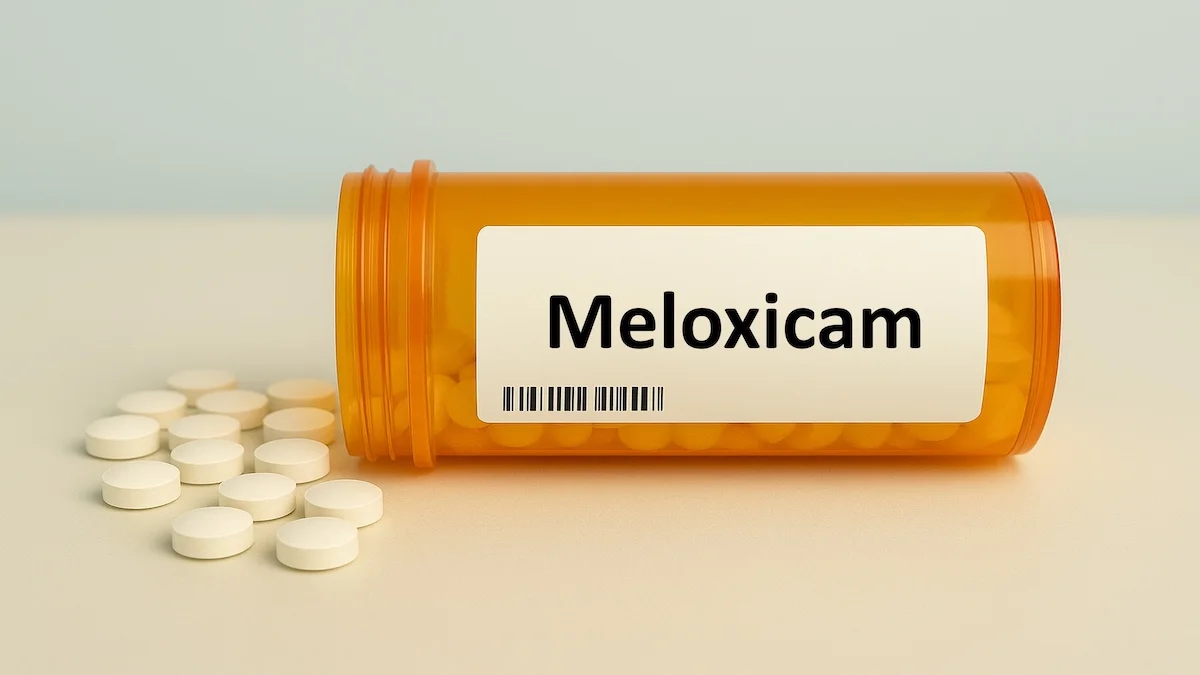
Meloxicam is a prescription nonsteroidal anti-inflammatory drug (NSAID) that’s often used for inflammation-related pain and considered safe when taken as prescribed. Even though meloxicam isn’t an opioid or a controlled substance, it can still result in misuse that can cause serious medical harm.
There aren’t any widely used street names for this medication, and misuse typically involves taking too much, taking it too often, using someone else’s prescription or mixing it with other NSAIDs or alcohol. Common brand names for this medication include Mobic, Vivlodex, Qmiiz ODT, Ajeso and Anjeso (injectable form).
This guide explores meloxicam addiction, including why it’s so addictive, warning signs and risk factors. Since it focuses on meloxicam signs and health effects, it doesn’t cover rehab or treatment options.
Why Can Meloxicam Misuse Become a Problem?
While meloxicam is a prescription-strength painkiller, it doesn’t create a “high,” and people may misuse it to experience faster or stronger pain relief.
Meloxicam misuse can involve:
- Taking it more often than directed
- Combining it with other NSAIDs
- Taking extra doses
- Using it longer than intended
- Taking higher doses
- Continuing to take it after your prescription ends
Meloxicam misuse often builds gradually and silently, so someone may continue to escalate their use and only take action once a complication occurs.
Psychological dependence is also a major factor in meloxicam misuse becoming problematic. Even though meloxicam isn’t traditionally addictive, people can still experience fear or anxiety about stopping. They may worry about how to function in their daily lives without it, which can increase stress and perpetuate the cycle of misuse.
Meloxicam Abuse vs Meloxicam Addiction
Meloxicam abuse, referred to by clinicians as meloxicam misuse, can be described as using it outside of medical guidance. This includes taking higher doses, taking it longer than prescribed, mixing it with other NSAIDs or using someone else’s prescription.
Addiction isn’t a term that’s typically used with NSAIDs, but it can be used when someone continues unsafe use despite experiencing harm or repeated warnings.
Examples of meloxicam misuse include:
- Taking a double dose when you feel more pain
- Using it daily for months or years without or against medical guidance
- Combining it with alcohol during a night out
- Running out early
- Taking it on a day when you feel no pain “just in case”
- Hiding or denying use when asked about it by a friend or family member
- Ignoring symptoms such as stomach pain or black stools
Does Meloxicam Cause Dependence?
Meloxicam isn’t known for causing physical dependence the way benzodiazepines or opioids can. While people don’t experience a traditional withdrawal when they attempt to stop taking it, they may have rebound pain, muscle stiffness or inflammation.
People may also experience a psychological dependence on meloxicam if they start to believe they can no longer function normally without it. This is especially true for people whose pain levels and mobility seem dependent on the drug.
What Are Signs of Meloxicam Addiction?
The signs of meloxicam misuse can be hard to identify, especially in people who started off with a legitimate prescription. These signs often include a mixture of physical symptoms, behavioral changes and continued use despite harm.
Behavioral Signs
Behavioral dependence signs can develop in people who misuse meloxicam. These behaviors can be especially noticeable in people who have anxiety about going off the medication due to fear of their pain returning.
Behavioral signs of meloxicam addiction include:
- Taking more than prescribed
- Taking it more often than prescribed
- Using it longer than directed
- Using multiple NSAIDs at once
- Using it for reasons other than pain relief
- Hiding use from family members or healthcare providers
Medication-Use Signs
Addiction signs related to medication use are especially problematic when the individual ignores or goes against medical advice.
Medication-use signs of meloxicam dependence include:
- Borrowing pills
- Seeking extra or early refills
- Taking doses “just in case”
- Ignoring instructions to stop
- Skipping follow-up appointments that monitor safe use
- Continuing use despite experiencing harmful side effects
Health Warning Signs
Chronic misuse of meloxicam can result in several health warning signs, such as:
- Ongoing indigestion
- Stomach pain
- Easy bruising
- Swollen legs
- Sudden changes in urination
- Unexplained weight gain
- Yellowing of the skin or eyes (jaundice)
Safety Red Flags
Unsafe medication behaviors pose more severe safety risks, such as mixing meloxicam with alcohol, blood thinners or any other medications that can increase bleeding risk without the guidance of a medical professional.
What Are Meloxicam Withdrawal Symptoms?
Meloxicam doesn’t produce classic withdrawal symptoms; however, people can experience discomfort when they stop taking it, which they often mistake for withdrawal.
What people typically experience during detox is a return of their original pain, along with stiffness or inflammation. They might feel even worse than they felt originally because the medication was masking their symptoms.
When the original pain returns, people may feel anxious, restless and frustrated. They might even experience strong cravings for pain relief, which can be mistaken for withdrawal, but it’s a natural pain-and-stress response.
What Are the Side Effects of Meloxicam Abuse?
The side effects of meloxicam abuse often develop gradually and are easy to overlook until a more serious complication develops. People often think meloxicam is safe because of its status as a prescription drug, but it can cause significant strain on various organs throughout the body.
Gastrointestinal Risks
Meloxicam can harm the GI tract by blocking enzymes that produce prostaglandins, a family of lipid compounds that protect the stomach lining. Over time, this lack of protection can lead to severe abdominal pain, ulcers and bleeding or perforation in the stomach or intestines.
Cardiovascular Risks
Meloxicam affects blood vessels and platelet activity, increasing blood pressure and fluid retention, which can have detrimental effects on the cardiovascular system.
Meloxicam side effects affecting the cardiovascular system include:
- Hypertension
- Increased risk of heart attack or stroke, especially with longer use or in higher-risk individuals
- Worsening heart failure
Kidney Risks
Meloxicam can reduce blood flow to the kidneys, which affects filtration. Side effects include reduced kidney function, increased kidney injury risk and increased risk of kidney damage or failure.
Other Serious Risks to Flag
Meloxicam substance abuse can also have other effects on the body.
These side effects include:
- Swelling
- High blood pressure
- Severe allergic reactions
- Rare severe skin reactions or hives
- Liver injuries, including drug-induced hepatitis
- Increased risk of bleeding during surgery
- Masking of other injuries
Overdose Concerns
An overdose on meloxicam occurs as a result of organ damage rather than intoxication. The risk of overdose is higher in older adults and people with existing kidney, liver or heart disease.
NSAID overdose symptoms include:
- Nausea
- Vomiting
- Stomach pain
- Drowsiness
- Confusion
- Bleeding
- Difficulty breathing
- Seizures
- Coma
What Are Risk Factors for Meloxicam Addiction?
Because meloxicam isn’t considered habit-forming in the classic sense, the risk factors for meloxicam misuse can be subtle.
Pain-Related Factors
Meloxicam is most often prescribed for treating chronic pain or complex pain. Under these conditions, meloxicam misuse is driven by symptom relief and is usually unintentional.
Pain-related meloxicam misuse risk factors include:
- Chronic pain conditions, such as rheumatoid arthritis and osteoarthritis
- Pain flare-ups
- Pressure to stay functional at work or home
- Limited pain-management alternatives
- Acute injuries
Behavioral Factors
Behavioral health factors are often rooted in habit, convenience or fear of experiencing pain. These behaviors can become even more problematic when the person using the meloxicam normalizes their own behavior.
Behavioral meloxicam misuse risk factors include:
- Self-adjusting dose
- Combining NSAIDs
- Taking it longer than directed
- Using it with alcohol
- Relying on medication instead of making lifestyle changes
Health-Related Factors
Certain health-related issues can raise the long-term NSAID risks associated with using meloxicam, even with medical guidance. In these instances, medication abuse can be considered an adverse effect of prescribed medication use.
Health-related meloxicam misuse risk factors include:
- Older age
- History of stomach ulcers or GI bleeding
- Cardiovascular disease
- Kidney problems
- Smoking
Access Factors
Having easy access to meloxicam is a huge risk factor. Access factors are often out of the person’s control and result from a lack of monitoring or education.
Access meloxicam misuse risk factors include:
- Leftover prescriptions
- Shared household medications
- Limited follow-up
- Preference for medication over non-medication treatments
- Lack of clear warnings about risks
How Is Meloxicam Addiction Diagnosed?
While there’s no official diagnosis for “meloxicam use disorder,” the way there is for opioids, clinicians can still assess you for unsafe use patterns and harm. You may receive a more general diagnosis of substance use disorder.
Your clinician will evaluate you based on:
- Dosing behavior
- Duration of use
- Mixing with other meds
- Alcohol use
- Symptoms of GI bleeding, cardiovascular issues or kidney-related symptoms
Your clinician may also review your medications to ensure there aren’t any overlapping NSAIDs or interactions that could result in GI bleeding, kidney issues and blood pressure risks.
Urgent symptoms that require immediate medical attention include:
- Chest pain
- Weakness on one side
- Black stools
- Vomiting blood
FAQs About Meloxicam Addiction
Is it dangerous to mix meloxicam with alcohol?
It’s dangerous to mix meloxicam with alcohol because both substances affect the liver and irritate the gastrointestinal tract. Mixing them can result in complications, such as stomach bleeding and ulcers, kidney damage and liver stress.
Can you take meloxicam with other NSAIDs like ibuprofen or naproxen?
It isn’t safe to take meloxicam with other NSAIDs because it can amplify the risk of experiencing serious side effects. Medications you should avoid when taking meloxicam include ibuprofen, naproxen and aspirin.
What are the signs of a meloxicam overdose?
Symptoms of a meloxicam overdose can start off mild with an upset stomach and nausea or vomiting. More serious signs of an overdose can include black stools or vomiting blood, chest pain or irregular heartbeat and fainting or seizures.
Can long-term meloxicam use damage your kidneys?
Yes, long-term meloxicam use can damage your kidneys, especially in people who take higher doses or are over the age of 60. If you’re taking meloxicam daily, regular blood work can help catch kidney issues early.
How can you tell the difference between rebound pain and a true medication problem?
Rebound pain is short-lived, similar to the pain you had before taking medication, and it doesn’t result in any new symptoms. With a true medication problem, you may experience new or different pain, pain that gets progressively worse and new symptoms, such as swelling or chest pain.
Find Help for Yourself or a Loved One with Meloxicam Addiction
Medication misuse can happen to anyone, and it often sneaks up on you gradually while you’re trying to manage real pain and keep up with daily life. Many people are unaware of the risks associated with prescription drug addiction until it is too late.
It’s crucial to take the potential side effects and complications of meloxicam abuse seriously. If you or a loved one shows signs of dose escalation, unsafe mixing, repeated early refills or symptoms of a more serious health issue associated with meloxicam use, it’s time to consider rehab.
Help.org offers a free and confidential search tool to help you find a meloxicam treatment center that fits your unique needs and preferences.
Sources
 MedlinePlus – MeloxicamNational Library of Medicine – The incidence of adverse events and risk factors for upper gastrointestinal disorders associated with meloxicam use amongst 19 087 patients in general practice in England: cohort studyNational Library of Medicine – Meloxicam
National Library of Medicine – Meloxicam and Risk of Myocardial Infarction: A Population-based Nested Case-control StudyUnited States Food and Drug Administration (FDA) – Mobic
MedlinePlus – MeloxicamNational Library of Medicine – The incidence of adverse events and risk factors for upper gastrointestinal disorders associated with meloxicam use amongst 19 087 patients in general practice in England: cohort studyNational Library of Medicine – Meloxicam
National Library of Medicine – Meloxicam and Risk of Myocardial Infarction: A Population-based Nested Case-control StudyUnited States Food and Drug Administration (FDA) – Mobic