


Bath Salts (Synthetic Cathinones) Addiction: Signs and Side Effects of Bath Salts Abuse
Trusted Content
Bath Salts (Synthetic Cathinones) Addiction: Signs and Side Effects of Bath Salts Abuse
 Topics on this page
Published: April 14, 2026
Set the block title
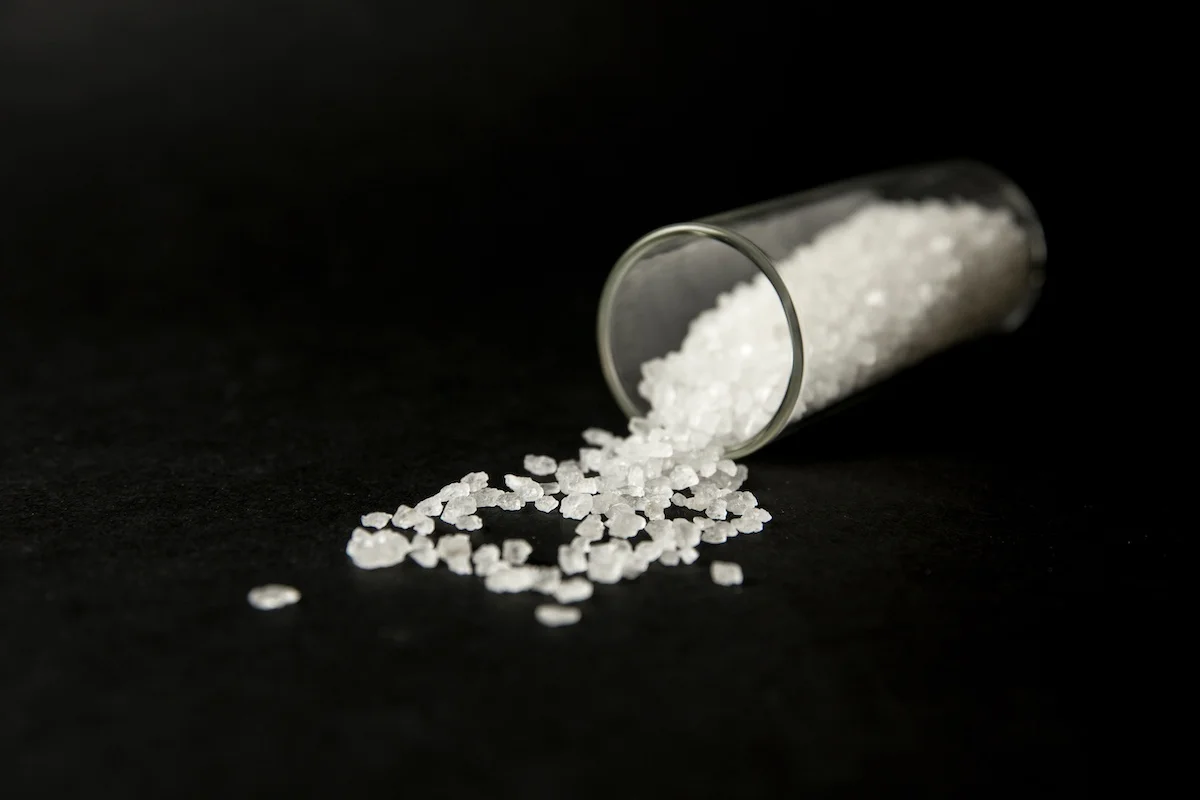
In the context of substance abuse, bath salts refer to a street drug made with synthetic (human-made) cathinones, including monkey dust (MDPV), methylone, mephedrone (4-MMC) and alpha-PVP. Cathinones are substances found in the khat plant.
Street names for salts include:
- Ivory Wave
- Cloud 9
- Bliss
- Drone
- Flakka
- Gravel
These products are typically sold in crystal or powder form and might be labeled as household or jewelry cleaner, plant food or research chemicals. However, 4-MMC and similar synthetic cathinones are categorized as Schedule I controlled substances by the Synthetic Drug Abuse Prevention Act of 2012.
This guide discusses how bath salts addiction occurs and what abuse vs. dependence might look like. It also covers signs of bath salts use, withdrawal symptoms and side effects.
Why Do Bath Salts Lead to Addiction?
Bath salts are addictive because of the way they impact brain functions and drive cravings. Binge use and withdrawal symptoms can also contribute to bath salts addiction and substance use disorder.
Disruption of Brain Chemistry
The compounds used to make bath salts disrupt how your brain regulates neurotransmitters, such as dopamine and norepinephrine. Dopamine is a reward hormone that makes you want to repeat a behavior by supporting happy or euphoric feelings. Norepinephrine is a fight-or-flight chemical that can increase heart rate and alertness.
These neurotransmitters naturally occur and serve a purpose in your body, but your brain’s transporters normally clean them up after they’ve served their purpose. Synthetic cathinones can cause the transporters in your brain to run in reverse, flooding your brain with dopamine and norepinephrine instead of cleaning it up. The effect can include feelings of extreme euphoria and psychological symptoms, such as hallucinations.
Fast Tolerance Buildup and Use Behaviors
The euphoria and other effects of these stimulant drugs can be short-lived, leading to repeated bath salts use and binge patterns as you try to recreate synthetic cathinone brain effects. When you use bath salts repeatedly, they can build up a tolerance, meaning you need more of the product each time to get the same effects. People who’ve used bath salts for a while may engage in stimulant binge cycles, taking increasing doses more often to sustain a high.
Withdrawal Symptoms
When your brain and body become used to a certain level of bath salts use, they see it as normal and expected. If you decide to stop using, your brain reacts as if something is wrong because the status quo changes. That reaction comes in the form of withdrawal symptoms, including cravings. When bath salts withdrawal symptoms are intense, painful or otherwise difficult to deal with, it can feel easier to use the drug again.
Bath Salts Abuse vs Bath Salts Addiction
Bath salts abuse occurs when you use synthetic cathinones in a harmful way. Since they’re classified as a Schedule I substance, use can lead to legal issues, which may be harmful to your freedom and lifestyle. Problematic cathinone use may also include frequent use, relying on high doses and mixing bath salts with other substances.
Bath salts addiction refers to compulsive stimulant use with a loss of control. If you experience severe cravings, continue to use bath salts despite harmful consequences or feel unable to stop on your own, you may have a synthetic cathinone use disorder.
It’s common for individuals to start out with experimental bath salts use. For example, they may take the drug experimentally with friends. But repeated use can lead to a compulsive need to keep using, especially when they start to link use to mood, confidence, attempts to stay awake or weight loss.
Do Bath Salts Cause Dependence?
Bath salts can lead to psychological and physical dependence. Psychological dependence on drugs occurs when a person starts relying on a substance for any reason.
Common reasons individuals rely on bath salts include:
- Increased energy. Someone may take synthetic cathinones the way others rely on coffee, using it at first as a small pick-me-up to get through the day or a boost for late-night study or work sessions.
- More confidence. Individuals might use bath salts before social situations because they feel like they’re more confident or have more personality when they’re high.
- Appetite suppression. Like other stimulants, bath salts can suppress appetite, making it seem easier for people to lose weight.
- Emotional escape. Some people use bath salts to escape the burdens of daily life, especially if they feel overwhelmed with stress or emotions such as fear or grief.
Repeatedly using bath salts for physical or emotional support creates a habitual dependence. You may feel an urge to use it whenever you face these types of situations.
Synthetic cathinone dependence can also be physical. As a person uses more bath salts to get the desired effect, they enter a binge and stimulant crash cycle. Crashes come with withdrawal symptoms, including cravings and mood changes, that drive people back to bath salts use.
Dependence isn’t the same thing as addiction, but it can be a warning sign. Repeated binge cycles reshape routines and responses, in some cases creating a cycle of synthetic cathinone use that seems impossible to break.
What Are the Signs of Bath Salts Addiction?
The signs of bath salts addiction can be behavioral, physical or psychological. Symptoms can show up differently for each person.
Behavioral and Functional Signs of Bath Salts Addiction
Behavioral synthetic cathinone symptoms include changes in the way a person functions, including:
- Increasing use
- Secrecy as they try to hide their use
- Excessive spending on bath salts or as a result of use
- Risky decision-making related to use
- Repeatedly failing to stop using even when they want to
- New or worsening relationship conflicts
- Not keeping up with work or school responsibilities
Physical and Safety Bath Salts Misuse Red Flags
Physical- and safety-related signs of bath salts use and addiction include:
- Rapid heart rate
- Abnormal sweating
- Dilated pupils
- Insomnia
- Reduced appetite
- Tremors
- Injecting or vaping powders of unknown origin
- Using bath salts for days without any sleep
- Mixing bath salts use with other substances, such as alcohol, MDMA or methamphetamines
Psychological Signs of Bath Salts Use
Stimulant-related psychosis warning signs of bath salts intoxication and drug use are more likely with heavy use and lack of sleep and include:
- Increased agitation and irritability
- Violent behavior
- Anxiety and panic
- Paranoia and hallucinations
What Are Bath Salts Withdrawal Symptoms?
Stopping bath salts use suddenly, especially after heavy use, can lead to withdrawal symptoms. The intensity of symptoms varies depending on the synthetic cathinones used, how much and how often you use and whether you use bath salts with other substances.
Common bath salts withdrawal symptoms include:
- Fatigue and depression. As the effect of stimulants wears off, you may feel a crash. You’ll be more tired and may feel depressed due to a lack of synthetic mood-boosting effects.
- Increased sleep. Lack of motivation, exhaustion and a low mood can lead to sleeping more than usual.
- Irritability. You may find that you’re more easily agitated or annoyed than usual or you’re distracted by things that wouldn’t normally matter to you.
- Slow thinking. On bath salts, your brain moves at an exaggerated speed. As you go through withdrawals, you may feel like thinking slows down. In some cases, cognitive function may actually slow down temporarily.
- Anxiety and restlessness. You may feel unable to settle and be more prone to anxiety and even panic attacks. Some people experience hallucinations.
- Heart rate changes. Bath salts use can impact your heart rate, and withdrawals can also lead to a faster heart rate or an inconsistent heart rhythm.
- Vivid dreams. You may have nightmares or weird, vivid dreams that impact your sleep.
- Intense cravings. During the withdrawal period, cravings for synthetic cathinones may be severe.
People typically start to feel withdrawal symptoms within the first 2 days after stopping bath salts use. Stimulant withdrawals can last up to 3 weeks, with cravings and a few other symptoms potentially showing up periodically in the future.
What Are the Side Effects of Bath Salts Abuse?
Bath salts side effects depend on how long you take the drugs and how you administer them. Short-term adverse effects of use include:
- Increased energy and restlessness
- Hypertension, or high blood pressure, and tachycardia, a very elevated heart rate
- Overheating and hyperthermia, which is a very high body temperature
- Reduced appetite
- Insomnia
Extended or excess use can lead to long-term effects, including stimulant psychosis that comes with hallucinations, paranoia and risks associated with unpredictable behavior. Agitation and severe anxiety are possible. Physical symptoms can also escalate, with overheating contributing to dehydration and other issues. Seizures and stroke risk may increase due to heart rhythm and brain changes caused by bath salts.
Methods related to the use of bath salts also contribute to side effects:
- Snorting bath salts can lead to nasal passage damage
- Injecting synthetic cathinones increases infection risks
- Vaping or smoking bath salts can irritate the lungs and increase your risk of respiratory diseases
- Mixing bath salts with alcohol, other stimulants, benzos, opioids or unknown substances significantly increases risks
What Are Risk Factors for Bath Salts Addiction?
While the causes of synthetic cathinone addiction vary by individual situation, risk factors for bath salts addiction include:
- Existing mental health disorders. Diagnosed or undiagnosed anxiety or depression may cause someone to use bath salts as a way to self-medicate, increasing addiction risks. A history of trauma, chronic stress or poor sleep can also increase your risk.
- How you use bath salts. Relying on bath salts for weight loss, to support confidence or for enhancement of sexual pleasure or performance can increase addiction risks. The same is true for using synthetic cathinones as an emotional escape.
- Social factors. Unstable housing or generally easy access to drugs can increase addiction risks. For bath salts in particular, high-risk networks that engage in consistent partying can normalize stimulant use.
- History of substance use. Prior stimulant use or polysubstance use — using more than one type of substance — increases your risks for addiction.
- Factors related to synthetic cathinone drug markets. An unpredictable drug supply, which can include mislabeled products, bath salts with other drugs included or varying potencies, can also increase risks.
How Is Bath Salts Addiction Diagnosed?
Clinical professionals diagnose stimulant use disorder following established criteria. They look at behavior and synthetic cathinone use over time, evaluating:
- Whether there’s a loss of control over bath salts use and how often a person uses despite negative consequences or risks
- The intensity of the cravings and whether someone has developed a tolerance for the drugs that leads to withdrawal symptoms when they stop using them
- The presence of risky behavior related to substance use
When diagnosing bath salts addiction, clinicians often also assess mental health. They may talk to you about sleep and nutrition to understand your physical state, and you may also be evaluated for cardiovascular risks, given the impact synthetic cathinones can have on the heart.
Synthetic cathinone addiction assessments may not always include drug testing. Tests don’t reliably identify every synthetic cathinone, and drug testing is limited in functionality. It doesn’t demonstrate the severity of use or addiction cycles.
FAQs About Bath Salts Addiction
What are common street names for bath salts?
Street names for synthetic cathinones include Monkey Dust, Ivory Wave, Vanilla Sky and Blue Silk. Other names include Cloud Nine, Scarface, Lunar Wave and White Lightning. Some names, such as Flakka, are associated with specific types of synthetic cathinones.
What are the warning signs of a bath salts overdose?
Severe fight or flight signals in your body can be warning signs of a bath salts overdose. They include rapid heartbeat, chest pain, elevated temperature, excessive sweating, seizures, dizziness, tremors, blurred vision, trouble breathing and loss of consciousness.
How long do bath salts effects typically last?
It depends on the product. The “high” from bath salts can last up to 3 or 4 hours in some cases. However, someone who’s built up a tolerance to synthetic cathinones may not experience as intense or long-lasting an effect when taking the same dose.
What does a bath salts crash feel like?
Typically, a crash is characterized by opposite effects from the drugs themselves. For example, while bath salts highs include intense surges of energy, a crash may come with debilitating exhaustion, depression, anxiety, suicidal ideation, irritability, difficulty focusing and “foggy” thinking.
Is it dangerous to mix bath salts with alcohol or other drugs?
Yes, mixing synthetic cathinones with other drugs or alcohol can be dangerous and even fatal. Bath salts increase the level of hormones such as serotonin in your brain; mixing them with other drugs that do the same can lead to potentially fatal levels in your body.
Find Help for Yourself or a Loved One with Bath Salts Addiction
Stimulant addiction can happen to anyone. Many people use bath salts experimentally first in a party or social situation but move from recreational use to addiction as physical or emotional dependence occurs. If bath salts use is leading to severe insomnia, paranoia, chest pain or other concerning symptoms and you can’t quit on your own, it may be time to seek help for bath salts addiction.
As you start researching bath salts recovery resources, gather information to help providers work with you. If you can provide the names or descriptions of the substances you’ve used, how long you’ve used them and how often you use them, clinicians can offer better suggestions for treatment. Use the confidential treatment finder and resources at Help.org to explore available rehabs for stimulant addiction treatment.
