


Hydrocodone Addiction: Signs and Side Effects of Hydrocodone Abuse
Trusted Content
Hydrocodone Addiction: Signs and Side Effects of Hydrocodone Abuse
 Topics on this page
Published: April 15, 2026
Set the block title
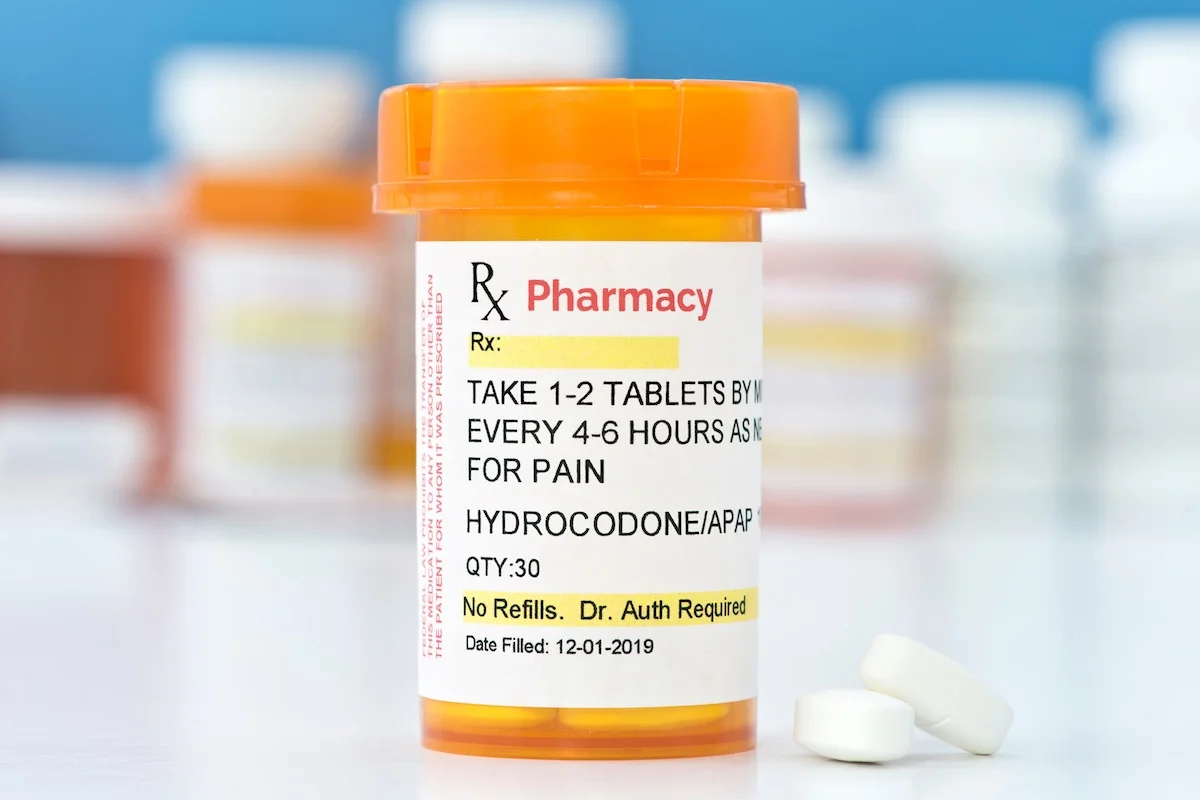
Hydrocodone is a semisynthetic opioid used to relieve moderate to severe pain and using it regularly can lead to misuse, dependence and addiction. What makes it different from many pain relievers is that it’s often combined with other non-opioid active ingredients, such as acetaminophen, that can cause severe side effects when not taken as prescribed.
Slang varies by region, but some of the most common street names for hydrocodone include:
- Vilkes
- Norcos
- Hydro
- Tabs
- Pain pills
This guide offers a detailed overview of hydrocodone addiction, including why it’s so addictive, withdrawal symptoms and warning signs. Due to its focus on signs and side effects of hydrocodone addiction, this page doesn’t address treatment options.
Why Does Hydrocodone Lead to Addiction?
Hydrocodone binds to mu-opioid receptors in the brain, blocking pain signals and providing relief from moderate to severe pain. Activation of opioid receptors can also make you feel calmer, provide emotional relief or produce a sense of euphoria.
Your brain recognizes that taking hydrocodone relieves pain and stress, reinforcing repeated use. This is especially true if you’re afraid your pain will return or you won’t be able to cope without hydrocodone.
Some people also develop hydrocodone tolerance, which is when you need more medication to get the same effects over time. Tolerance isn’t the same as addiction, but it can be a sign that your use patterns are becoming harmful.
Withdrawal discomfort is also a concern, as it can push ongoing use. This happens because hydrocodone withdrawal can cause flu-like symptoms, irritability and cravings. You end up taking more of it to avoid feeling sick, creating a cycle of repeated use.
The following behaviors increase the risk of overdose or make it more likely that you’ll lose control over your hydrocodone use:
- Taking high doses of hydrocodone
- Mixing opioids with benzodiazepines
- Extended use of hydrocodone
- Using non-oral routes (e.g., snorting)
Hydrocodone Abuse vs. Hydrocodone Addiction
There’s a major difference between hydrocodone abuse and hydrocodone addiction. Abuse refers to the use of hydrocodone outside medical guidance, which may involve:
- Taking higher doses
- Using the medication longer than directed
- Taking hydrocodone to get high instead of using it as prescribed
- Using someone else’s prescription
Addiction refers to the compulsive use of hydrocodone. Compulsive use is usually paired with intense cravings, loss of control and an inability to stop using hydrocodone, even when it harms your physical, mental or emotional well-being.
Many people still use drug addiction, drug abuse and substance abuse to describe certain patterns of hydrocodone use. However, clinicians have replaced those terms with drug misuse and substance use disorder to position addiction as a treatable brain disease, not a personal failure caused by a lack of willpower.
Hydrocodone misuse often begins with pain relief. Over time, it shifts to using opioids to sleep, relieve stress or improve mood. Some people also misuse hydrocodone to avoid uncomfortable withdrawal symptoms.
As misuse intensifies, you may run out of pills early, buy hydrocodone pills on the street or hide your use from loved ones. Some people engage in doctor shopping, which involves seeking hydrocodone prescriptions from multiple providers.
Does Hydrocodone Cause Dependence?
Hydrocodone dependence occurs when your body adapts to regular use. Once you develop a physical dependence on opioids, you can’t stop taking them without experiencing withdrawal symptoms. You may also experience withdrawal if you try to reduce the amount of hydrocodone you’re using.
You can also develop a psychological dependence on hydrocodone. This is when you rely on hydrocodone to steady your emotions, feel calm or function. For example, you may start taking hydrocodone any time you have a disagreement with a friend.
The risk of dependence increases if you:
- Use hydrocodone frequently
- Take more medication than directed
- Use hydrocodone for longer than recommended
- Rely on opioids to cope with strong emotions
What Are Signs of Hydrocodone Addiction?
Because hydrocodone affects brain function, it can cause physical, behavioral or psychological changes. These changes may affect your ability to maintain positive relationships or continue managing your daily responsibilities. Hydrocodone misuse may even cause serious safety issues.
Common physical signs of hydrocodone addiction include:
- Drowsiness
- Pinpoint (constricted) pupils
- Slowed breathing
- Nausea
- Itching
- Constipation
Cognitive and mood changes associated with hydrocodone misuse include:
- Mood swings
- Confusion
- Anxiety between doses
- Strong cravings
These physical and mental signs of hydrocodone misuse can interfere with your daily functioning. For example, you may frequently call in sick to work or miss classes at school. Some people have legal or financial issues due to their misuse of hydrocodone.
Relationship conflict is also a possibility, especially if you’ve been isolating yourself or hiding your hydrocodone use from loved ones. Substance use disorders change your priorities, so you may stop spending time with the people you love because you’re busy using or trying to obtain hydrocodone.
Common behavioral signs of hydrocodone addiction include:
- Taking more hydrocodone than intended
- Doctor shopping
- Seeking early refills
- Buying pills on the street
- Hiding your use from family and friends
As misuse progresses to compulsive use, you may even engage in these unsafe behaviors:
- Mixing hydrocodone with alcohol, benzodiazepines, sedatives or other opioids
- Using hydrocodone alone
- Returning to your previous dose after taking a break from hydrocodone, which increases the risk of opioid overdose
What Are Hydrocodone Withdrawal Symptoms?
Hydrocodone withdrawal often causes severe flu-like symptoms, intense cravings and restlessness. Early on, you may experience:
- Anxiety
- Sweating
- Runny nose
- Yawning
- Watery eyes
- Insomnia
- Muscle aches
Later in the withdrawal process, some people have nausea, diarrhea or vomiting. Chills and goosebumps are also common during this period. The severity of opioid withdrawal symptoms depends on how long you’ve been using hydrocodone, how often you use it and whether you have a history of mixing it with other substances.
What Are the Side Effects of Hydrocodone Abuse?
Common short-term side effects of hydrocodone misuse include dizziness, impaired judgment and slower breathing. It also causes sedation due to its effects on the nervous system.
With long-term use, there’s a risk of tolerance, dependence or overdose. Many people also report hormonal changes or worsening constipation.
Hydrocodone overdose is especially dangerous, as it can cause severe respiratory depression. Opioid overdose has also been linked to unconsciousness and death, especially if you mix hydrocodone with other central nervous system (CNS) depressants.
The misuse of combination products increases the risk of liver damage. For example, Norco, Vicodin, Lortab and Hysingla all contain hydrocodone.
Finally, there are several risks associated with non-oral routes. Snorting hydrocodone may cause nosebleeds or damage your nasal cavities. Injecting it increases the risk of infection.
What Are Risk Factors for Hydrocodone Addiction?
Many medical, psychological and environmental factors increase the risk for hydrocodone addiction.
Medical Factors
Chronic pain, repeated injuries and a high fear of pain returning have all been linked to hydrocodone misuse. Your risk for addiction is also higher if you have a long-term opioid prescription with limited professional monitoring.
Psychological Factors
Some people use hydrocodone to self-medicate, so there’s an increased risk for addiction if you:
- Have a history of trauma.
- Find it difficult to regulate your emotions.
- Have anxiety, depression or another co-occurring mental health condition.
The risk of hydrocodone addiction also increases if you already have a history of substance misuse. This is especially true if you’ve misused alcohol, benzodiazepines, opioids or sedatives.
Environmental Factors
Where you live and who you spend time with can both influence drug use. For example, having access to someone else’s leftover medication makes it easier to misuse hydrocodone. You also have a higher risk of addiction if your friends are willing to share pills or help you access counterfeit pills.
How Is Hydrocodone Addiction Diagnosed?
Clinicians diagnose hydrocodone addiction by comparing your use patterns to a set of standard criteria. They’re looking for long-term patterns, so misusing hydrocodone once or twice doesn’t necessarily mean you have an addiction. They’ll ask questions about cravings, loss of control and tolerance to determine if you have risky use patterns or have continued to use hydrocodone despite the harm it causes.
This initial assessment may include a mental health screening and overdose risk review. Mental health screening helps determine if you have any co-occurring disorders that could be causing you to self-medicate with hydrocodone.
Hydrocodone shows up on drug tests, but these tests only show that you had an opioid in your system at one particular point in time. They can’t tell clinicians how long you’ve been using hydrocodone or whether you’re engaging in risky use, so drug testing isn’t normally used for diagnosing hydrocodone addiction.
FAQs About Hydrocodone Addiction
Can you get addicted to hydrocodone if you take it as prescribed?
Yes, you can get addicted to hydrocodone if you take it as prescribed. Hydrocodone binds to opioid receptors in your nervous system, blocking pain signals and flooding your system with dopamine, a chemical involved in pleasure.
What are the most common signs of hydrocodone addiction?
The most common physical signs of hydrocodone addiction are drowsiness, lethargy and increased tolerance to the prescribed dose. Hydrocodone misuse may also cause changes in behavior, such as isolating yourself or avoiding activities you used to enjoy.
Can combination products with acetaminophen cause liver damage?
Yes, combination products with acetaminophen can cause liver damage. When your body metabolizes acetaminophen, it produces a waste product called N-acetyl-p-benzoquinone imine (NAPQI). If you take a large amount of acetaminophen, your liver can’t clear the NAPQI, which allows it to directly damage the liver cells.
Can people overdose on counterfeit hydrocodone pills?
Yes, people can overdose on counterfeit hydrocodone pills. Counterfeit pills may contain much higher amounts of hydrocodone than expected, making it difficult to determine how much you’re taking. It’s also common for counterfeit pills to be contaminated with fentanyl and other substances, increasing the risk of dangerous drug interactions.
What are the long-term side effects of heavy hydrocodone use?
Constipation is one of the most common long-term side effects of heavy hydrocodone use. Other long-term side effects include bone fractures, sleep-disordered breathing and endocrine system disruption.
Find Help for Yourself or a Loved One with Hydrocodone Addiction
Opioid addiction isn’t a personal failure. It can affect anyone, especially those with chronic pain. However, you may benefit from professional support if you’ve been taking more hydrocodone than recommended, experiencing withdrawal symptoms or mixing hydrocodone with alcohol, benzodiazepines or sedatives.
You may also need treatment if you’ve had multiple overdose scares or been exposed to counterfeit hydrocodone pills. Help.org is a confidential treatment finder that makes it easy to compare multiple rehab centers. Use this free resource to find hydrocodone abuse support that matches your clinical needs, personal preferences and location.
Sources
 National Institute on Drug Abuse – Understanding drug abuse and drug addictionUnited States Drug Enforcement Administration (DEA) – HydrocodoneNational Institute on Drug Abuse – Prescription opioidsToxicological Sciences – Acetaminophen-NAPQI hepatotoxicity: A cell line model system genome-wide association studyU.S. Food & Drug Administration (FDA) – Counterfeit medicinePrimary Care Companion CNS Disorders – A review of potential adverse effects of long-term opioid therapy: A practitioner's guide