


Morphine Addiction: Signs and Side Effects of Morphine Abuse
Trusted Content
Morphine Addiction: Signs and Side Effects of Morphine Abuse
 Topics on this page
Published: April 20, 2026
Set the block title
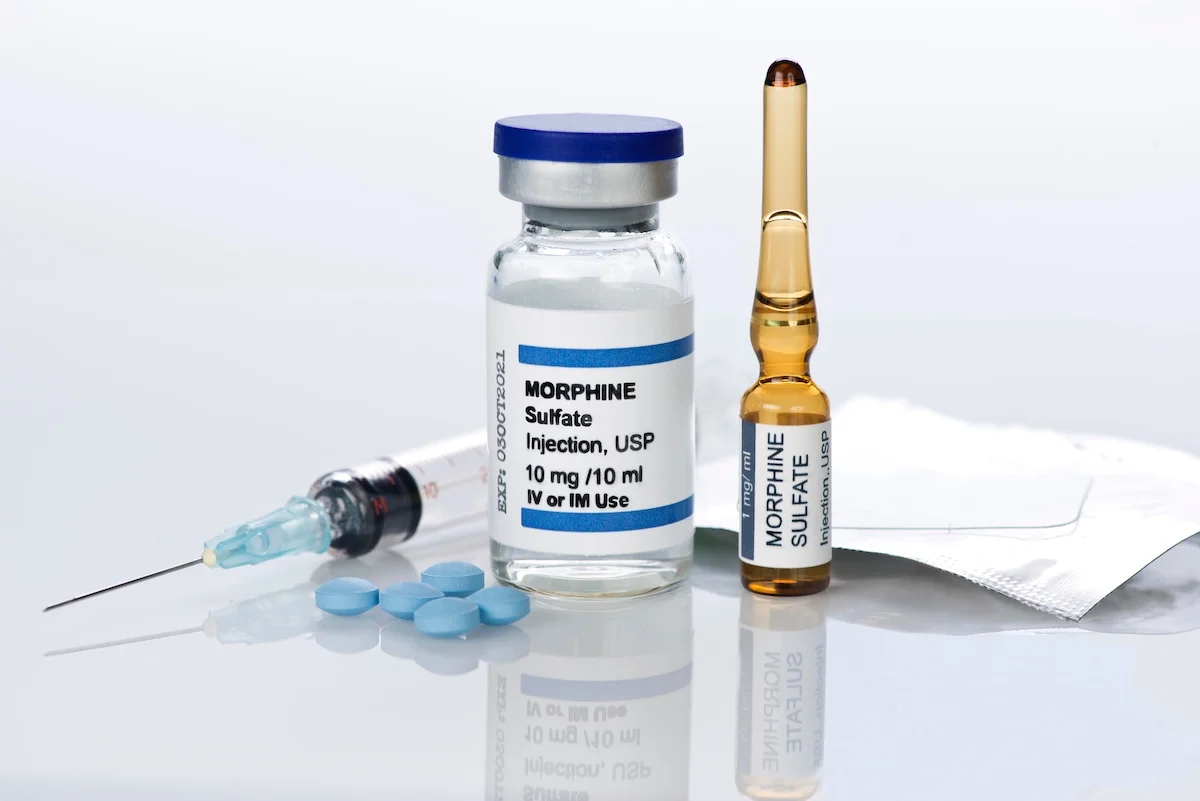
Morphine is a powerful prescription opioid used to treat moderate to severe pain. Some manufacturers make extended-release versions to manage pain when non-opioids or immediate-release opioids aren’t effective. Like other opioids, morphine comes with a risk of tolerance, dependence and addiction.
Common brand names include:
- MS Contin
- Kadian
- Roxanol
- Duramorph
- Infumorph
Pills sold as “morphine” may be counterfeit, exposing you to fentanyl and other contaminants, which increases the risk of overdose. Slang varies by region, but common street names include M, morph and monkey. You may also hear the phrase “Miss Emma.”
This guide explains why morphine can be addictive and includes warning signs of risky use and common withdrawal methods. Because it focuses on the signs and health effects of morphine addiction, it doesn’t cover rehab programs or treatment options.
Why Does Morphine Lead to Addiction?
Morphine binds to opioid receptors found in the brain and spinal cord. This reduces the perception of pain, but it can also reduce anxiety, provide emotional relief or have euphoric effects.
Your brain begins to associate morphine with pain relief and euphoria, reinforcing repeated use. Over time, you may develop morphine tolerance, which means your body doesn’t get the same effects from your original dose.
When you’re tolerant, you need to take higher doses or use it more often to get the same amount of relief. Tolerance is a normal adaptation, but it can increase the risk of opioid overdose.
Some people misuse it due to the withdrawal cycle. If you stop using morphine or attempt to use less of it, you may experience flu-like symptoms. Morphine withdrawal may also cause chills, muscle aches and sweating.
Taking morphine quickly relieves these symptoms, reinforcing your patterns of use. What started as a desire for anxiety or pain relief can shift to using the drug to avoid the discomfort of withdrawal.
The risk of overdose and loss of control increases if you:
- Crush or inject morphine
- Take higher doses of morphine or use it more often than prescribed.
- Mix opioids with alcohol or benzodiazepines
- Use extended-release formulations outside the prescription guidelines.
Morphine Abuse vs. Morphine Addiction
The terms “morphine abuse” and “morphine addiction” are often used interchangeably, but there are some notable differences. Morphine abuse refers to using morphine outside medical guidance.
However, those terms are outdated. Clinicians now use the terms “substance misuse” and “substance use disorder” to reflect that these are treatable brain diseases and not a moral failing.
Examples of misuse include:
- Using morphine longer than directed
- Taking someone else’s prescription
- Using morphine to get high
- Increasing your dosage without consulting a medical professional
- Crushing or chewing extended-release tablets
Morphine addiction involves compulsive use, usually accompanied by:
- Intense cravings
- Difficulty cutting back on morphine
- Loss of control over use
- Continued use of morphine despite harm
Misuse often builds gradually. You might refill your prescription early or take an extra dose to prevent pain from returning. Some people feel anxious when they’re running low on opioids, or they might start using morphine to manage stress, avoid withdrawal symptoms or address sleep problems.
Warning signs that morphine misuse may have progressed to addiction include:
- Running out of medication early
- Buying morphine illegally
- Visiting multiple healthcare professionals for prescriptions (“doctor shopping”)
- Hiding pills or lying to your loved ones about morphine use
Does Morphine Cause Dependence?
Morphine use can lead to dependence, even when you take your medication as prescribed. Physical dependence occurs when your body adapts to the drug’s effects. You may experience withdrawal symptoms if you significantly reduce your dose or stop taking it.
Psychological dependence causes you to rely on morphine for emotional stability. You may feel that you can’t function, cope with stress or manage intense emotions without it.
The risk of dependence increases with:
- Long-term use
- Frequent dosing
- Higher doses
- Use of morphine to cope with emotional distress
Dependence isn’t the same as addiction. Some people develop a physical dependence on morphine without experiencing cravings or losing control. However, dependence indicates that your morphine misuse may escalate to addiction.
What Are Signs of Morphine Addiction?
Morphine addiction causes a wide range of signs and symptoms. Some of them affect your ability to function or your behavior, while others increase the risk of serious health problems.
Physical Signs
Morphine is a central nervous system (CNS) depressant, so it slows down brain activity. As a result, it can cause heavy drowsiness, pinpoint pupils and slowed breathing. Other physical signs of morphine addiction include nausea, constipation and persistent itching.
Slowed breathing is especially dangerous, because it causes an imbalance of oxygen and carbon dioxide. If a loved one starts breathing slowly or shallowly after using morphine, call 911. They may need naloxone to reverse an overdose.
Changes in Mood and Cognition
CNS depressants bind to the receptors responsible for information processing, so morphine addiction can also cause changes in mood and cognition. Some people experience intense mood swings or become anxious between doses.
Cognition is the term for all the processes involved in thinking and gaining knowledge. Due to its effects on your nervous system, morphine can cause slowed thinking and confusion.
Strong cravings are one of the biggest indicators that morphine misuse has progressed to addiction. Cravings may interfere with daily functioning, especially if you spend most of your time thinking about when you can take your next dose.
Behavioral Signs
Once misuse progresses to addiction, you may alter your behavior to avoid withdrawal symptoms and keep cravings at bay.
Common behavioral signs include:
- Taking more morphine than intended
- Asking multiple doctors for prescriptions
- Seeking early refills
- Hiding your use from loved ones
- Buying pills
Social and Functional Signs
Due to the physical and psychological effects of morphine, it can be difficult to maintain an active social life or participate in your usual activities. Some people isolate themselves, leading to intense relationship conflict.
You may have difficulty paying attention or staying awake, which can make it hard to perform at work or school. Some people also experience financial strain or legal issues due to their morphine misuse.
Safety Issues
The risk of overdose increases if you mix morphine with alcohol or benzodiazepines, use it alone or return to your previous dose after taking a break. When you don’t take morphine, your tolerance decreases, so going back to your previous dose can cause dangerous complications.
What Are Morphine Withdrawal Symptoms?
You may experience morphine withdrawal if you stop using or significantly reduce your morphine consumption. This often feels like a severe flu combined with cravings and restlessness.
Early in the withdrawal process, it’s common to experience:
- Anxiety
- Yawning
- Runny nose
- Sweating
- Muscle aches
- Watery eyes
- Insomnia
As you eliminate more of the drug from your body, you may also experience these symptoms:
- Goosebumps
- Chills
- Abdominal cramps
- Diarrhea
- Nausea
- Vomiting
The severity of morphine withdrawal symptoms can vary based on your duration of use, typical use patterns and overall health. You may experience severe symptoms if you combine morphine with other substances or misuse extended-release products.
What Are the Side Effects of Morphine Abuse?
Short-term use of morphine causes sedation, dizziness and slowed breathing. It’s also common to experience impaired judgment, so it’s important to avoid driving, operating heavy machinery or signing legal documents while you’re taking it.
With long-term use, you may develop morphine tolerance or dependence. Other side effects include chronic constipation, hormonal changes and an increased risk of overdose. For example, long-term opioid use can affect the hormones involved in sexual function.
The risk of overdose also increases if you combine morphine with alcohol, benzodiazepines or other substances.
Common morphine overdose signs include:
- Blue lips or fingertips
- Gurgling sounds
- Unconsciousness
- Inability to wake up
- Very slow or stopped breathing
Morphine is also associated with certain functional effects and route-related harms. If you misuse opioids, you may experience sleep disruptions or reduced motivation. Snorting morphine can damage nasal tissue, while injecting it can lead to skin infections, collapsed veins and inflammation of the heart’s lining (endocarditis).
What Are Risk Factors for Morphine Addiction?
Some people are more likely to develop substance use disorders due to the presence of medical, mental health and access factors. You may have an increased risk of morphine addiction if you take high doses, have long-term prescriptions or use it with limited monitoring.
Pain is also a risk factor, as you may start taking more morphine than recommended to get relief. For example, you may develop an opioid use disorder if you have a chronic pain condition or a high fear of pain returning. Repeated injuries are also associated with morphine addiction.
Because it has calming effects, some people use it to self-medicate for mental health symptoms. Therefore, you have an increased risk of morphine addiction if you have anxiety, depression or difficulty regulating your emotions. People with a history of trauma may also develop substance use disorders.
Access factors include:
- Use of shared pills
- Access to leftover medication
- Counterfeit pill exposure
Past substance use can increase the risk of addiction. This is especially true if you have a history of using alcohol, opioids or benzodiazepines. The risk is higher if you use multiple substances at the same time or within a short period (polysubstance use).
How Is Morphine Addiction Diagnosed?
Clinicians diagnose opioid use disorder by comparing your use patterns to the criteria outlined in the Diagnostic and Statistical Manual of Mental Disorders, Fifth Edition (DSM-5).
An evaluation typically considers:
- Cravings
- Withdrawal symptoms
- Tolerance
- Loss of control
- Continued use despite harm
- Risky use
It’s common for this evaluation to include a mental health screening and a review of your overdose risk factors. This helps determine if you’re at risk of severe complications. Clinicians examine use patterns over time, so it’s possible to misuse morphine without having an opioid addiction.
Although drug testing confirms opioid exposure, it doesn’t provide any information about the severity of your morphine misuse. Therefore, the diagnostic process focuses on behavior rather than test results.
FAQs About Morphine Addiction
Can you get addicted to morphine if you take it as prescribed?
Yes, even when taken exactly as prescribed, morphine use can lead to dependence or addiction. When morphine binds with opioid receptors, it floods your brain with dopamine and mimics the effects of natural endorphins (“feel-good chemicals”). The resulting pain relief and euphoria can reinforce repeated use.
What are the warning signs of a morphine overdose?
The warning signs of a morphine overdose include respiratory depression, which the Cleveland Clinic defines as breathing that’s too slow or too shallow. Other morphine overdose signs include unconsciousness, inability to wake up or blue lips/nails.
How long does morphine withdrawal usually last?
How long morphine withdrawal lasts depends on your use patterns and overall health. The Wisconsin Department of Justice estimates that morphine has a half-life of up to 6.7 hours, which means it typically remains in the body for about 34 hours. However, some health conditions can make withdrawal symptoms last longer.
Is extended-release morphine riskier to use than short-acting morphine?
Extended-release morphine is riskier than short-acting morphine if you use certain routes. The extended-release form of this medication is designed to release slowly. If you crush or chew morphine, you’re exposed to a large amount of it at once, increasing the risk of overdose.
Does morphine show up for drug tests, and for how long?
Yes, morphine shows up on a drug test known as an opiate immunoassay. This test looks for morphine, codeine, heroin and certain semisynthetic opioids. According to the Substance Abuse and Mental Health Services Administration, morphine usually shows up on a urine drug test for 1 to 2 days following your last dose.
Find Help for Yourself or a Loved One with Morphine Addiction
Opioid addiction can affect anyone, and it doesn’t mean you’re weak or irresponsible. You may benefit from professional support if you’ve been escalating doses, experiencing withdrawal symptoms or mixing morphine with other substances. Structured care may also help if you’ve had overdose scares or come into contact with suspected counterfeit pills.
Help.org is a free, confidential treatment finder you can use to find help for morphine addiction based on your location, personal preferences and clinical needs.
Sources
 United States Drug Enforcement Administration (DEA) – MorphineNational Library of Medicine – MorphineU.S. Food & Drug Administration (FDA) – FDA identifies harm reported from sudden discontinuation of opioid pain medicines and requires label changes to guide prescribers on gradual, individualized taperingCleveland Clinic – Respiratory depression (hypoventilation)Wisconsin Department of Justice – Morphine, codeine and heroin – general effectsSubstance Abuse and Mental Health Services Administration – Medications for opioid use disorder