


Oxycodone Addiction: Signs and Side Effects of Oxycodone Abuse
Trusted Content
Oxycodone Addiction: Signs and Side Effects of Oxycodone Abuse
 Topics on this page
Published: April 20, 2026
Set the block title
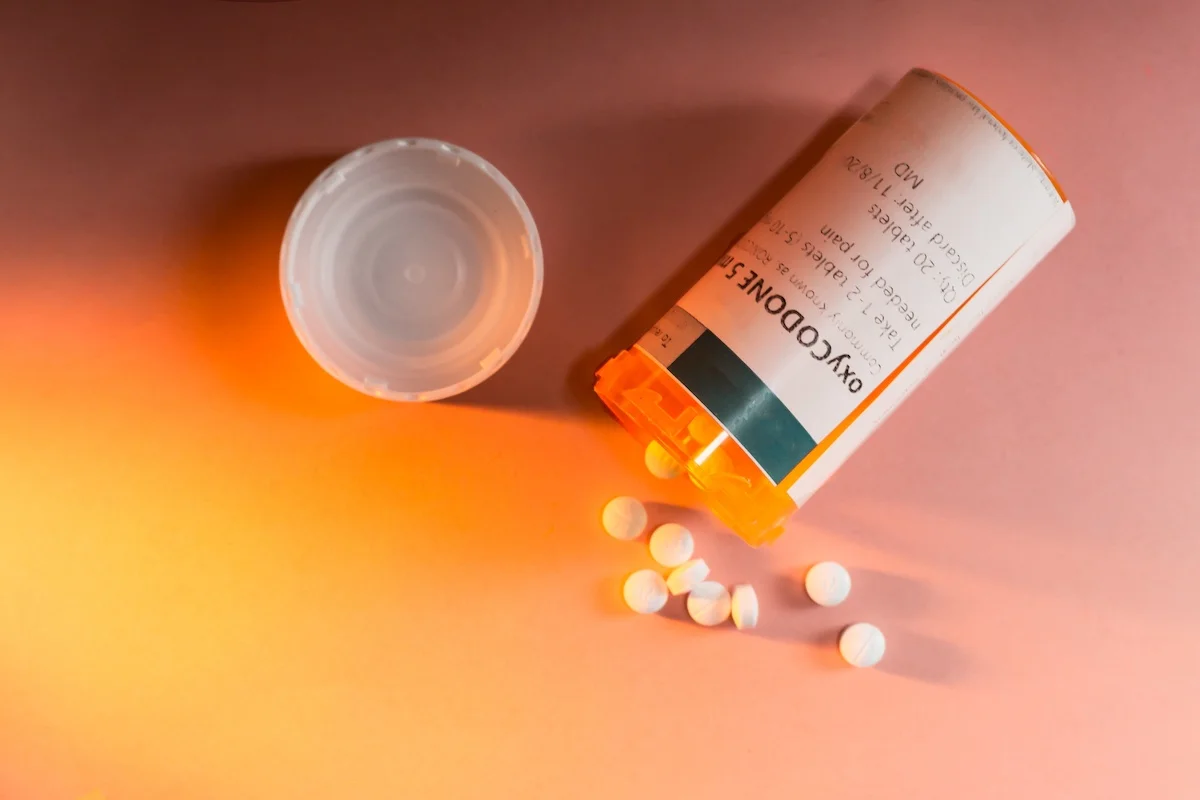
Oxycodone is a prescription medication used to treat moderate to severe pain. Due to the way it affects your nervous system, even prescribed use can lead to misuse, dependence and addiction. Common patterns of misuse include taking higher doses, using it more often than prescribed or mixing oxycodone with other substances.
In this guide, you’ll learn more about oxycodone addiction, including why it happens, what distinguishes oxycodone abuse from opioid use disorder and what you can expect in terms of side effects, withdrawal symptoms and overdose risk. This page provides an in-depth overview of the signs and side effects of oxycodone addiction, so it doesn’t cover rehab or other professional treatment options.
Why Does Oxycodone Lead to Addiction?
Oxycodone is a prescription painkiller sold under these brand names:
- OxyContin
- Oxaydo
- Roxicodone
- Xtampza ER
Medications with ER in their names are extended-release formulations of oxycodone. This means the medication enters the bloodstream slowly instead of all at once. Slang varies by region and social group, but these are some of the most common street names for oxycodone:
- OC
- Oxy
- Perc
- Roxies
- Hillbilly heroin
Some people misuse oxycodone obtained from legitimate pharmacies, but others buy it from nonmedical sources. This increases the risk of exposure to counterfeit pills, which may be contaminated by xylazine, fentanyl or other harmful substances.
As a synthetic opioid, oxycodone is a central nervous system (CNS) depressant. It slows your brain down, so it can affect everything from digestion to respiration.
When oxycodone binds with opioid receptors, it triggers the release of dopamine and inhibits the release of gamma-aminobutyric acid (GABA). Both substances are neurotransmitters, which means they affect communication between the cells in your nervous system. In addition to reducing pain, oxycodone provides emotional relief, makes you feel calm and may even produce a sense of euphoria.
Relief sometimes reinforces repeated use, especially if you’re afraid of pain returning or you use opioids to cope with stress. Eventually, you develop oxycodone tolerance, which is when you need more medication to get the same effects over time.
Some people also continue using oxycodone because they experience unpleasant withdrawal symptoms when they try to stop. This creates a vicious cycle in which an individual uses opioids to avoid feeling sick.
Oxycodone overdose and loss of control become more likely if you:
- Take higher doses than prescribed
- Use non-oral routes
- Mix oxycodone with alcohol or benzodiazepines
Oxycodone Abuse vs. Oxycodone Addiction
Before exploring the differences between oxycodone abuse and oxycodone addiction, it’s important to understand how modern clinicians view substance use. In the past, many people believed addiction was the result of a person’s choices. However, addiction is a treatable disease associated with certain biological and environmental factors.
To reflect this change in philosophy, clinicians have replaced the terms substance abuse with substance misuse and addiction with substance use disorder. Substance misuse refers to the use of illegal substances or the inappropriate use of legal substances (including oxycodone), and substance use disorder describes the compulsive use of substances. It’s characterized by loss of control, cravings and continued use despite harm.
Signs of oxycodone misuse include:
- Taking higher doses
- Using oxycodone longer than prescribed
- Taking oxycodone to get high
- Using someone else’s medication
Oxycodone addiction is the compulsive use of oxycodone. It’s accompanied by opioid cravings, impaired control and an inability to stop using oxycodone, even when it causes physical or mental harm.
Misuse often starts with the desire to relieve pain. Eventually, you shift into using it to avoid withdrawal symptoms, relieve stress or improve your mood. Impaired control may cause you to run out early, hide your use or buy pills from nonmedical sources.
Some people with opioid use disorder also engage in doctor shopping, which involves requesting oxycodone prescriptions from multiple healthcare providers. These medical professionals don’t know about the other prescriptions, increasing the risk of overdose or addiction.
Does Oxycodone Cause Dependence?
Repeated use of oxycodone may lead to physical dependence, which is when the body adapts to its effects. Oxycodone dependence causes you to experience withdrawal symptoms if you stop using or attempt to cut back.
It’s also possible to develop a psychological dependence on oxycodone. This is when you need it to function, feel calm or manage your emotions. The risk of dependence increases with:
- Higher doses
- Frequent use
- Longer duration of use
- Using opioids to cope with intense emotions
Oxycodone dependence isn’t the same as oxycodone addiction, but it may indicate that your use patterns are becoming more concerning.
What Are Signs of Oxycodone Addiction?
Like other opioids, oxycodone affects your physical health, mental health and behavior. Because it affects your brain, it can also alter your mood and cognitive function. These are some of the major signs of oxycodone addiction.
Physical signs
Oxycodone slows down many of your body’s functions, so it may cause:
- Heavy drowsiness
- Nausea
- Constipation
- Slowed breathing
Oxycodone also causes the sphincter muscle of your iris to contract, so oxycodone use can cause pinpoint pupils. The iris controls the amount of light that enters the eye. You may even experience itching following oxycodone use.
Cognitive and Mood Signs
Once oxycodone takes effect, you may experience mood changes or become confused. It’s also common for people with opioid use disorders to have strong cravings or feel anxious between doses.
Behavioral Signs
Once oxycodone misuse shifts to compulsive use, you may exhibit these behavioral signs:
- Taking more medication than intended
- Asking for prescriptions from multiple doctors
- Buying pills from nonmedical sources
- Hiding your use from loved ones
- Seeking early oxycodone refills
Social and Functional Signs
Compulsive substance use affects your social life and ability to function in several ways. If you want to hide your use from others, you may isolate yourself instead of spending time with friends and family members. It’s also possible for your work performance to suffer, especially if you’re consumed with finding ways to access more oxycodone.
Over time, some people develop legal, financial or relationship issues due to their oxycodone use. For example, you may deplete your savings if you continue buying opioids from nonmedical sources. It’s also common to have conflicts with romantic partners, family members or friends.
Safety Red Flags
Some people who use oxycodone compulsively engage in unsafe usage patterns.
These patterns include:
- Using opioids alone
- Mixing oxycodone with alcohol or benzodiazepines
- Returning to a previous dose after taking a break
What Are Oxycodone Withdrawal Symptoms?
Oxycodone withdrawal causes symptoms that may make you feel like you have a severe form of the flu. These symptoms are often accompanied by restlessness and cravings.
Early symptoms include:
- Insomnia
- Muscle aches
- Sweating
- Anxiety
- Yawning
- Watery eyes
- Runny nose
Later in the withdrawal process, you may have:
- Nausea
- Vomiting
- Abdominal cramps
- Diarrhea
- Goosebumps
- Chills
The severity of opioid withdrawal symptoms varies based on:
- The type of oxycodone you’re using (immediate-release vs. extended-release)
- How long you’ve been using it
- Your dosing patterns
Withdrawal symptoms may be more severe if you have a history of polysubstance use, which is when you use multiple substances, such as oxycodone and alcohol, at the same time or within a short period.
What Are the Side Effects of Oxycodone Abuse?
Oxycodone abuse has a variety of short-term and long-term effects.
Shortly after taking it, you may experience:
- Sedation
- Dizziness
- Impaired judgment
- Slow breathing
Long-term use has been linked to hormonal changes, worsening constipation and an increased risk for overdose. Tolerance and dependence are also potential long-term effects.
Opioids affect your ability to function, so you may experience reduced motivation, sleep disruptions or difficulty making decisions. Some oxycodone side effects relate to the route of administration. For example, if you crush and snort opioids, you may damage your nasal passages.
Oxycodone overdose causes serious side effects, including respiratory depression, unconsciousness and death. If someone around you has overdose symptoms, call 911 for immediate medical attention.
The risk of overdose increases if you mix alcohol, benzodiazepines or other sedatives. Using counterfeit pills can also increase the risk, especially if the pills are contaminated with unknown substances.
What Are Risk Factors for Oxycodone Addiction?
Some personal characteristics or lifestyle conditions increase the risk of developing an oxycodone use disorder. Medically, addiction is more likely if you take high doses, have long-term prescriptions or don’t have access to regular medical monitoring.
Pain is also a risk factor, as it can drive oxycodone misuse. You’re more likely to develop an addiction to oxycodone if you have a chronic pain condition, frequent injuries or a strong fear of physical pain returning.
Mental health conditions can drive oxycodone misuse due to the desire to self-medicate.
The risk of addiction increases with:
- Anxiety
- Depression
- Emotional regulation challenges
- Trauma history
Prior substance use and regular access to opioids may increase the likelihood of compulsive oxycodone use. For example, shared pills, access to leftover medication and a history of alcohol use disorder are all known risk factors for oxycodone addiction.
How Is Oxycodone Addiction Diagnosed?
Addiction is characterized by repeated use with loss of control and an inability to stop using despite harm. Therefore, diagnosing oxycodone addiction involves examining your use patterns over time.
Clinicians typically evaluate:
- Impaired control
- Tolerance
- Cravings
- Risky use patterns
- Withdrawal symptoms
- Continued use despite harmful consequences
Substance use evaluations often include a mental health screening and a review of your overdose risks. The mental health screening helps determine if you have any co-occurring disorders that can drive substance misuse. For example, if you have anxiety, you may have a heightened risk of using oxycodone to calm down or regulate your emotions.
The overdose risk assessment helps estimate your chances of overdosing on oxycodone.
A clinician may ask questions about:
- Duration of use
- Mixing patterns
- Routes of administration
- Co-occurring mental health conditions
- Alcohol use
- Polysubstance use
- Medical issues
Drug testing can confirm exposure to oxycodone and other opioids. However, these substances only stay in the body for a limited amount of time, so testing doesn’t provide a complete picture of your use patterns. Therefore, drug testing isn’t part of the diagnostic process.
FAQs About Oxycodone Addiction
Can you get addicted to oxycodone if you take it as prescribed?
Yes, you can get addicted to oxycodone if you take it as prescribed. Over time, your body becomes dependent on opioids, resulting in withdrawal symptoms if you attempt to stop taking them. This creates a cycle of compulsive use, which causes you to continue using oxycodone just to avoid cravings and discomfort.
What are the warning signs of an oxycodone overdose?
Some of the main warning signs of oxycodone overdose include low blood pressure, drowsiness, nausea, pinpoint (constricted) pupils or bluish-colored lips and fingernails. Some people experience severe symptoms, such as seizures, unresponsiveness (coma) and difficulty breathing.
Can people overdose on counterfeit oxycodone pills?
Yes, people can overdose on counterfeit oxycodone pills. Counterfeit pills are made to look like legitimate oxycodone, but they often contain fentanyl, animal tranquilizers and other contaminants. This makes it difficult to estimate how much you’re taking, increasing the risk of an overdose.
Does oxycodone show up on drug tests, and for how long?
Oxycodone isn’t usually included in standard drug screens, but it shows up on tests designed to measure oxycodone and oxymorphone levels. According to the Substance Abuse and Mental Health Services Administration (SAMHSA), oxycodone shows up in urine tests for 1 to 1.5 days after your last dose.
How long does oxycodone withdrawal usually last?
Oxycodone withdrawal may last for several days or weeks, per the Lake County Indiana Health Department. Symptoms usually peak within 72 hours, but the exact timeline depends on the duration and frequency of use.
Find Help for Yourself or a Loved One with Oxycodone Addiction
Opioid addiction can happen to anyone. It’s a treatable brain disease, not a personal failure.
However, you may benefit from professional support if you’ve had withdrawal symptoms, overdose scares or exposure to suspected counterfeit pills. Professional treatment may also be beneficial for individuals struggling with escalating use or risky mixing.
Help.org is a free, confidential treatment finder designed to help you locate professional oxycodone abuse support. Use it to find a treatment center that matches your clinical needs, personal preferences and location.
Sources
 National Council for Mental Wellbeing – Overdose risk assessment checklistNational Institute on Drug Abuse – What are prescription opioids?American Society of Addiction Medicine (ASAM) – DSM-5 Criteria for Diagnosis of Opioid Use DisorderMedlinePlus – Hydrocodone/oxycodone overdoseJournal of Medical Toxicology – ACMT position statement: Interpretation of urine opiate and opioid testsSubstance Abuse and Mental Health Services Administration – Medications for opioid use disorder: For healthcare and addiction professionals, policymakers, patients and familieshttps://lakecountyin.gov/departments/health/Nursing-Clinic/Prevention/Opioids/opioid-withdrawal-understanding-the-challenges-and-symptoms-of-recovery