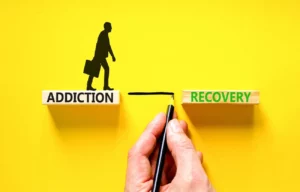

Porn Addiction: Signs and Side Effects of Porn Abuse
Trusted Content
Porn Addiction: Signs and Side Effects of Porn Abuse
 Topics on this page

Published: April 22, 2026
Set the block title
Problematic porn use can lead to addiction. Pornography consumption that feels out of control, harms your life or causes you emotional or mental distress may indicate porn abuse. This guide covers what porn addiction really is, the signs that indicate an addiction to porn and how treatment options can help.
What “Porn Addiction” Means
Similar to situations involving substance abuse, porn addiction occurs when someone engages in compulsive porn use or continues consuming porn despite negative consequences in relationships, work or other areas of their life. The brain’s reward system, including dopamine, plays a role in this addiction.
A literature study on neuroscience and internet porn addiction looked at the common dopamine response associated with addictive behaviors, such as gambling and internet pornography.
The study noted that:
- For some people, these behaviors cause dopamine release, increasing pleasure signals in the brain and body.
- The continued release of dopamine triggers changes in the brain that reinforce and drive a person to seek more of the same experience. This increases porn dependence.
- It becomes harder to recreate the experience, which means individuals may need more or more intense porn consumption, creating an addiction-like cycle.
Is Porn Addiction an Official Diagnosis?
Pornography addiction isn’t an official diagnosis in either the ICD-11 or the DSM-5-TR, which are official diagnostic manuals for healthcare providers. However, the ICD-11 does include the diagnosis “compulsive sexual behavior disorder,” which providers may use when someone is displaying problematic or addictive behavior, such as viewing porn constantly or in ways that cause negative life outcomes.
The lack of a specific porn addiction diagnosis doesn’t mean people can’t be addicted to porn or get help. Providers might also use diagnoses related to impulse control disorders or other co-occurring conditions to support treatment.
Assessments around compulsive sexual behavior disorder or other behavioral addictions focus on:
- The distress and impairment behaviors may cause in a person’s life
- Loss of control around compulsive behaviors
- The safety and overall well-being of the person
When Porn Use Crosses the Line into a Problem
It’s understandable to ask whether you’re addicted to porn or just enjoying occasional pornographic content.
Signs of porn addiction occur when:
- Problematic pornography use has negative impacts on your daily life.
- You have trouble controlling porn use or cutting back, especially if you’re choosing porn consumption over healthy sleep, work or school obligations or time with loved ones.
- You’re using porn as a coping mechanism for stress, anxiety or depression, especially if you feel worse afterward.
- You’re lying or engaging in risky activity to hide your porn use.
Behavioral Signs of Porn Addiction
Porn addiction behaviors are often one of the first signs that porn use is out of control.
These behaviors include:
- Social isolation. You may find you’re not interested in hobbies or social outings you used to enjoy. You might also spend increasing amounts of time finding and consuming porn or lose track of time and realize you’ve spent hours or even an entire day on porn.
- Risky porn consumption. Using porn at work or in other inappropriate situations, such as on a shared device with your kids or while driving, can indicate a loss of control.
- Increasing secrecy. Obsessively deleting your browsing history, using multiple fake accounts or investing in secret devices you can use for porn are signs of problematic porn use.
Emotional and Mental Side Effects of Porn Addiction
Research into pornography addiction indicates that excessive sexual behavior that’s sometimes driven by porn consumption can create self-control challenges. The result of those challenges can be internal conflict similar to what mental health professionals see in people with obsessive-compulsive disorder.
One study looked at the potential outcomes of an increase in pornography use during the COVID-19 pandemic. It found a potential correlation with increasing rates of anxiety, stress and depression. Other mental and emotional effects of porn addiction can include poor body image and reduced self-esteem.
Relationship Side Effects of Porn Addiction
Even when people are in healthy relationships prior to compulsive pornography use, partners and families often notice real-life changes. Reducing emotional and physical intimacy and acting defensively can negatively impact romantic relationships. Continued porn use can create trust issues, especially if someone lies about use or breaks promises due to compulsive use.
Sexual Side Effects and Performance Concerns
Studies published by the National Library of Medicine note that addictive behavior related to pornography may lead to negative experiences with physical sex. Watching porn can create unrealistic expectations that lead to performance anxiety or unexpected demands in intimate relationships. Reduced sexual desire for a real-life partner, inability to recreate sexual activity seen on the screen and anxiety can even lead to sexual dysfunction, including erectile dysfunction.
Withdrawal-Like Symptoms and What People Report When They Cut Back
Quitting porn can lead to withdrawal symptoms, including porn cravings. When your body is used to a certain level of dopamine related to watching porn, it reacts as if something is wrong if you stop.
Porn addiction withdrawal symptoms might include:
- Strong urges to watch porn, to the point that you may not be able to think about anything else
- Irritability, anxiety and restlessness
- Problems with sleep, such as not being able to fall asleep or experiencing sleep disturbances
- Difficulty focusing
Common Risk Factors and Triggers
While almost anyone can develop porn dependence, a review of literature published on the National Library of Medicine lists risk factors for pornography use as:
- Gender. The study notes that men are statistically more likely to use porn.
- Age. Younger people use porn at higher rates than older people.
- Religiousness. Some spiritual beliefs or lack thereof may make regular porn use more or less likely.
- Frequent internet use. The more someone is on the internet, the more they’re likely to come across porn or see porn triggers regularly. Easy and private access to phones or laptops can increase the risk of porn dependence.
- Personality. Some personality traits, such as a tendency to engage in novel-seeking behavior, increase porn addiction risk factors.
- Mental health. Individuals who experience negative moods may turn to porn as a way to relax, de-stress or boost their mood. Co-occurring mental health conditions, such as anxiety or depression, can also increase risks.
Co-Occurring Concerns Tied to Porn Addiction
Porn addiction often occurs alongside co-occurring mental health conditions. Anxiety and depression can lead someone to consume porn as a coping mechanism to escape unwanted thoughts or feelings.
Guilt or other feelings associated with porn use sometimes eventually increase anxiety or depression, creating a worsening compulsive use cycle. The same can be true in cases involving trauma history.
Anxiety or depression and porn use aren’t the only types of co-occurring situations. Porn compulsions can also be part of other disorders, such as sexual behavioral disorders or compulsive disorders.
Treatment Options for Porn Addiction
The right porn addiction treatment depends on your needs, but options include:
- Inpatient and outpatient programs. The intensity of your porn use, your personal safety and the existence of co-occurring disorders help determine what level of care is right for you.
- Individual therapy. Evidence-based approaches, such as cognitive behavioral therapy (CBT), help you develop coping skills to address urges, restructure routines and respond to triggers with healthier behaviors.
- Couples therapy. When an intimate relationship is negatively impacted by porn use, couples therapy can help you start to rebuild trust.
- Support groups. Peer support groups provide accountability and reduce feelings of isolation on the journey to porn addiction recovery.
What to Look for in a Quality Provider or Program
Whether you’re looking for a porn addiction therapist for standard outpatient treatment or an accredited treatment program, knowing what to look for can help you connect with the right mental health professionals.
Use this checklist when evaluating porn addiction treatment options:
- Experience treating compulsive sexual behaviors. Look for providers who specifically list sexual compulsivity or behavioral addictions in their areas of practice, not just general mental health treatment.
- A nonjudgmental approach. You need a provider who creates a safe environment for honest disclosure without shame or moral commentary.
- Structured, individual treatment planning. A quality provider tailors a plan to your specific patterns, triggers and goals rather than applying a one-size-fits-all program.
- Trauma-informed care and experience with treating mental health conditions. Because porn addiction frequently co-occurs with anxiety, depression or trauma history, providers should address those alongside compulsive behavior.
- Transparent policies. Before committing to a provider or program, get clear information about costs, confidentiality and what to expect from the process.
- National accreditation and state licensing, if applicable. For inpatient or intensive outpatient programs, accreditation from a recognized body, such as the Joint Commission, can be an indicator of clinical standards and accountability.
Porn Addiction Treatment Red Flags
Porn addiction treatment red flags to pay attention to include:
- Shaming or moralizing. Approaches that lean on guilt as a therapy tool can be a warning sign.
- One-size-fits-all approaches. Effective treatment accounts for your unique history and triggers.
- Lack of licensing or other credentials. Providers and programs that are evasive about credentials or accreditation may indicate a lack of experience or quality.
- Inability to explain how progress is measured. Legitimate treatment involves identifiable goals and ways to track them.
- Hard sales push for expensive programs. Pressure tactics or urgency related to high-cost programming are common signs of predatory programs.
- Not being willing to discuss costs or other policies. Transparency about program costs, what you may end up owing and other administrative processes help ensure providers offer value and legitimate services.
Cost and Insurance Basics for Porn Addiction Treatment
Factors that can impact porn addiction therapy and treatment cost include:
- Treatment setting and length. Inpatient treatment generally costs more, and claim totals add up with high session frequency or long treatment times.
- Network status of the provider. Whether a porn addiction treatment provider is in-network with your plan impacts how much insurance pays for treatment and how much you might owe.
- Your insurance status. Your deductible, out-of-pocket maximums and other insurance details impact what you may pay personally.
When you reach out to a provider for help, you can ask them to do an insurance verification. They can check your insurance to see if they’re in-network and what other factors might impact the cost of care. Ask for an estimate of your out-of-pocket costs and what they’ll bill the insurance company.
If you need more affordable porn addiction counseling, community clinics, public programs and nonprofit organizations may be able to help. Many offer financial assistance, including sliding-scale fees and payment plans.
Self-Help Strategies that Support Treatment
As you navigate potential professional help with a pornography addiction, you may want to work on how to stop watching porn before, during and after treatment.
Tips include:
- Using porn addiction recovery tools learned in treatment. If you’ve started or finished treatment, consistently use the recovery tools and coping mechanisms you learned. Seek out porn addiction peer support groups so you can continue learning and talking about tools and recovery.
- Asking a loved one for accountability for porn addiction. Ask a trusted person who won’t judge you to help hold you accountable. Having to report on a regular basis to someone can increase the chance of sticking with your journey. It can also help remind you of the negative consequences of porn addiction.
- Removing options for porn consumption. Limit options for falling back into porn use. If you consume internet pornography, use apps to create guardrails on online use or set up your devices in a public space.
Supporting a Partner or Loved One
Loved ones can find it challenging to support others through porn addiction recovery. Communicating how you feel and what you see is important, but it’s essential to do it calmly without attacking the other person’s character.
If you’re supporting a partner during a porn addiction recovery journey, consider:
- Setting clear boundaries and expectations that are realistic and helpful to you both
- Attending couples therapy and individual therapy to work on rebuilding trust and the health of the relationship
- Encouraging openness and treatment instead of reacting with judgment or policing behavior that might encourage secrecy around lapses
Building a Recovery Plan that Holds Up Long-Term
Many people wonder why they can’t just stop doing something they don’t want to do, but willpower isn’t usually effective against a behavioral addiction. It’s important to build the right routines, learn emotional regulation skills and invest in strong relapse prevention plans.
Help.org can help you find treatment providers who help you build those skills and create those plans.
FAQs About Porn Addiction
Is porn addiction real if it’s not in the DSM-5?
Yes, porn addiction is real and based on science that supports how porn consumption impacts dopamine and other chemicals in your brain. The DSM-5 doesn’t currently list every possible addiction or disorder.
What’s the difference between porn addiction and high libido?
A high libido is a higher-than-average desire or drive for sex. Not everyone with a high libido engages in compulsive sexual behavior, such as problematic porn consumption.
Can you quit porn without therapy?
Some people may be able to stop using pornographic material without therapy, especially if they haven’t moved into compulsive or uncontrolled use. Your treatment needs depend on how dependent you are on porn and how much it disrupts your life.
Can porn addiction be linked to anxiety or depression?
While porn use doesn’t automatically cause mental health symptoms, excessive engagement with addictive behaviors can lead to anxiety or depression. This may drive porn consumption, as people with porn addiction may engage in addictive behaviors to try to escape overwhelming or uncomfortable feelings.
How long does it take to recover from porn addiction?
Active addiction recovery, including for porn dependence, can take several months to a year. Even then, most people consider themselves in a long-term journey of recovery, relying on ongoing coping skills to avoid relapse.
Sources
 PubMed Central – Online Porn Addiction: What We Know and What We Don’tPubMed Central – How the Rise of Problematic Pornography Consumption and the COVID-19 Pandemic Has Led to a Decrease in Physical Sexual IntercoursePubMed Central – The Potential Cutaneous Effects of Pornography AddictionPubMed Central – Compulsive Sexual BehaviorPubMed Central – Non-substance addictive behaviors in the context of DSM-5PubMed Central – Neuroscience of Internet Pornography Addiction